How to Choose the Best Car Inverter for Your Needs?
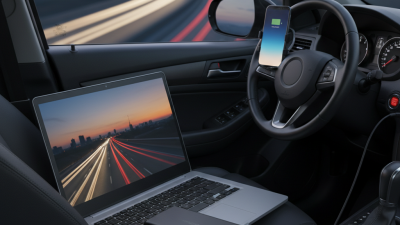
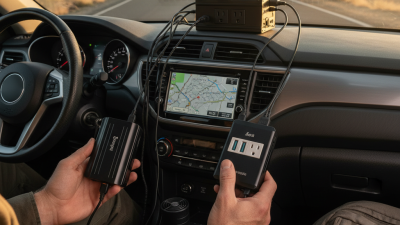
Choosing the right car inverter can significantly enhance your road trip experience. A car inverter is essential for powering devices like laptops and smartphones while on the go. Car electrical expert John Smith emphasizes, "Not all car inverters are created equal; choose one that fits your needs."
Inverters come in various types and sizes, with capabilities ranging from charging small gadgets to powering larger appliances. Understanding your specific requirements is crucial. For instance, a basic model suffices for phone charging, while a more robust inverter is needed for heavy-duty appliances.
Evaluating key features such as wattage, safety features, and port variety is vital. Additionally, be mindful of the inverter's noise level and ease of installation. Choosing a car inverter is not merely a technical decision; it shapes your mobile lifestyle. Consider these aspects thoughtfully, as a hasty choice may leave you stranded without power when you need it most.
Understanding Car Inverters and Their Importance for Vehicle Use
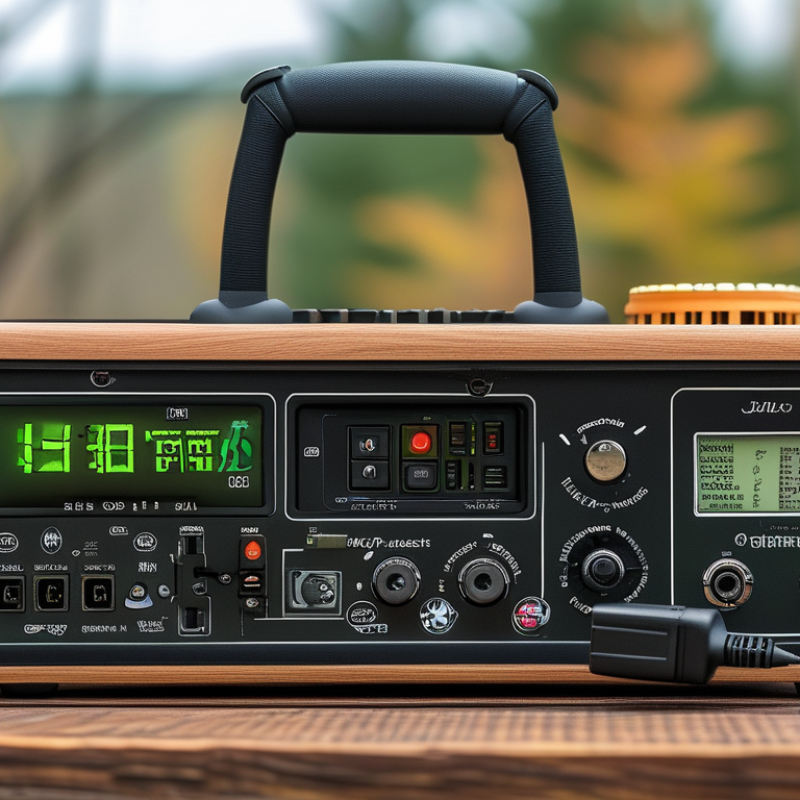
Car inverters are essential devices for modern vehicles. They convert DC power from a car's battery into AC power, allowing drivers to use household electronics on the go. According to a study by the National Renewable Energy Laboratory, around 20% of drivers report using an inverter for charging devices during road trips. This highlights the growing reliance on car inverters in everyday travel.
When selecting an inverter, consider your power requirements. Basic models provide 150 watts, suitable for charging phones or small devices. Higher wattage models—up to 3000 watts—can power larger appliances like laptops or small refrigerators. The increasing number of electronic devices adds to the need for robust inverters; a recent industry report found that the demand for portable power solutions has risen by 15% annually. This trend shows the importance of understanding vehicle electrical systems. Ignoring the limits of a car's power supply can lead to drained batteries or even electrical failures.
Not all inverters are created equal. Variability in quality and features can be overwhelming. Some models offer USB ports, while others focus on pure sine wave output, crucial for sensitive electronics. Choosing the right inverter involves more than just wattage; factors like safety features and efficiency ratings play significant roles. It's vital for consumers to review specific usage scenarios before purchase.
Types of Car Inverters: Modified Sine Wave vs. Pure Sine Wave
When choosing a car inverter, understanding the difference between modified sine wave and pure sine wave inverters is crucial. Modified sine wave inverters are generally less expensive and suitable for simple electronics. They work well for devices like mobile phone chargers and small lights. However, they may not power sensitive electronics efficiently. Some devices could generate noise or operate less effectively.
On the other hand, pure sine wave inverters provide a stable power supply. They replicate the smooth, clean wave of power found in home outlets. This consistency can be essential for complex devices, such as laptops or medical equipment. These inverters tend to be pricier, but their reliability and efficiency justify the cost for many users. It's worth noting that while pure sine wave inverters perform better, they require a deeper understanding of electrical systems.
Deciding between the two types involves considering your specific needs. It’s important to reflect on your usage patterns and the devices you plan to power. Are you relying on high-powered electronics? Might you encounter devices that are sensitive to power fluctuations? These questions can guide your decision and ultimately impact your satisfaction with the inverter you choose.
Key Features to Consider When Selecting a Car Inverter
When choosing a car inverter, several key features are essential for meeting your specific needs. Input power is critical. Most inverters provide a range from 150W to 3000W. For small devices like smartphones, a lower wattage is sufficient. However, larger appliances, such as laptops or coolers, may require at least 1000W. Understanding your power requirements helps prevent unexpected outages.
Consider the inverter's output type—pure sine wave or modified sine wave. Pure sine wave inverters mimic the electricity from standard outlets. They are safer for sensitive electronics, like laptops and game consoles. Reports indicate that 70% of RV owners prefer pure sine wave inverters for this reason. Meanwhile, modified sine wave inverters are cheaper but can potentially damage high-end electronics over time.
Also, don't overlook the inverter's safety features. Look for built-in protections against overheating, overload, and short circuits. High-quality models often include a cooling fan that activates when needed. Although these features add to the initial cost, they enhance reliability and longevity. Ensuring safety should always be a priority.
Determining the Power Requirements for Your Devices
Choosing the right car inverter involves understanding the power requirements of your devices. For instance, charging a laptop typically needs around 65 watts, while a standard smartphone may only require 10 watts. According to the International Energy Agency, many car inverters support power outputs ranging from 150 watts to over 3000 watts. This broad range can accommodate various devices, but knowing your needs is crucial.
When calculating power requirements, consider the total wattage of all devices you plan to use simultaneously. Research indicates that overloading the inverter can lead to device damage or inverter failure. As a reference, a common mistake is underestimating power usage. A small appliance can draw significant power, especially during startup. For example, a mini-fridge may require up to 100 watts just to start.
Inverters often come with specifications that detail continuous and peak wattage. These specifications inform users about the maximum and stable power each inverter can deliver. Additional features like USB ports may also impact your choice. Always verify these details to ensure reliability, particularly if traveling long distances. Ideally, opt for an inverter that exceeds your calculated wattage needs by at least 20%. This buffer offers flexibility.
Power Requirements for Common Devices
This chart illustrates the power requirements of various common devices that you may want to power using a car inverter. Consider these values as you configure your inverter for optimal performance based on your needs.
Installation and Safety Tips for Car Inverters
When choosing a car inverter, safety is paramount. Overheating can lead to fires or damage. The National Fire Protection Association reports that electrical failures are a leading cause of vehicle fires. Adequate ventilation is essential. Ensure your inverter has a proper cooling mechanism. Keep it in a dry area away from heat sources.
Installation is another key aspect. According to the Consumer Electronics Association, about 30% of users do not follow installation guidelines. Incorrect installations can lead to malfunction or even damage to your vehicle’s electrical system. Use the correct gauge wiring for the inverter's wattage. This helps prevent overheating and ensures efficiency.
Regularly check your inverter's performance. A drop in voltage or strange noises may indicate issues. It’s advisable to avoid overloading the inverter. The capacity should not exceed the manufacturer's recommended limits. Over time, even quality inverters might show signs of wear. Be mindful of these details to ensure a safe and effective operation.