Why Do You Need a Car Inverter for Your Vehicle?
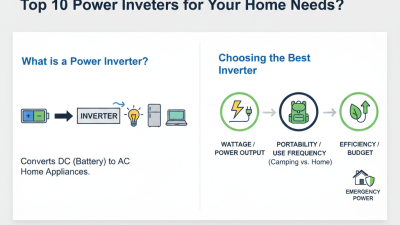
In today's fast-paced world, the necessity for a car inverter has become increasingly evident. A car inverter is a crucial device. It converts a vehicle’s DC power into AC power. This transformation allows travelers to use various electronic devices on the go. Recent industry reports indicate that nearly 70% of drivers know the importance of having access to power while traveling.
Portable devices, like laptops and smartphones, have become essential for many users. According to a study by the Automotive Electronics Association, drivers spend more than 70 hours a year in their cars. This statistic highlights the necessity of reliable power sources in vehicles. Despite this, many people remain unaware of how a car inverter can significantly enhance their travel experience.
Yet, the use of car inverters is not without its challenges. Drivers must be educated about their wattage limits and compatibility issues. Failure to understand these aspects can lead to device malfunctions. Proper research and understanding are essential for maximizing the benefits of a car inverter in daily travel.
The Functionality of Car Inverters: Converting DC to AC Power
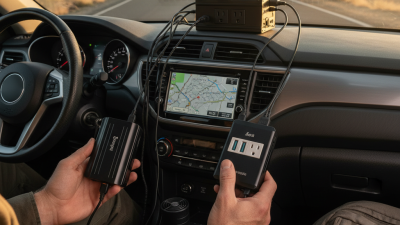
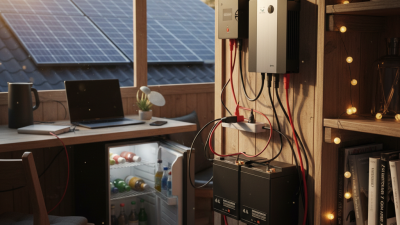
Car inverters are essential devices that transform DC power from your vehicle’s battery into AC power. This process allows you to power various appliances, such as laptops and small refrigerators, while on the road. The versatility of car inverters makes them valuable for camping trips, long drives, or emergencies where access to conventional power sources is unavailable.
When using a car inverter, consider the wattage requirements of your devices. It's essential to match your inverter's output to your appliance needs. Too much strain on the inverter can lead to overheating and damage. Also, be mindful of the total load. Using multiple high-watt devices simultaneously can exceed the inverter’s capacity.
Tips: To ensure safe usage, never exceed the inverter's rating. For sensitive electronics, look for inverters with built-in surge protection. Regularly check connections for wear and tear to prevent malfunctions. Additionally, be cautious about prolonged use, as this can drain your vehicle's battery quickly. Always plan ahead and monitor your battery level when relying on an inverter.
Key Benefits of Using a Car Inverter for Mobile Devices and Appliances
Car inverters are essential for modern vehicle owners. They provide a reliable source of power for various mobile devices and appliances while on the go. Whether you are on a road trip or commuting to work, the convenience of charging your smartphone, laptop, or even running a small cooler can be invaluable.
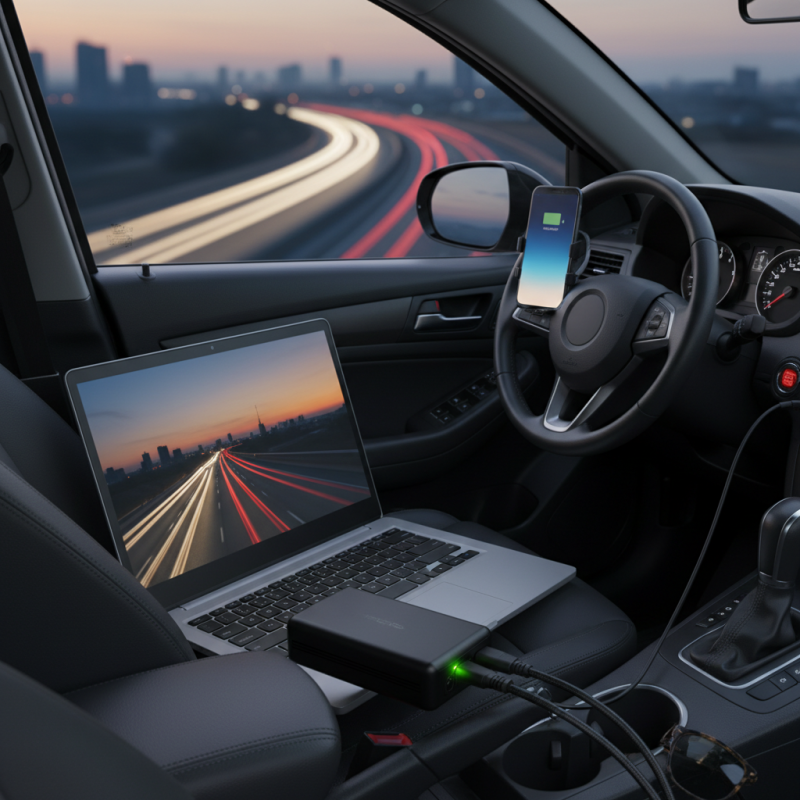
Using a car inverter allows you to maintain your connected lifestyle. Imagine driving through the countryside, your laptop fully charging in the passenger seat. It offers freedom, enabling you to work remotely or keep your kids entertained with charged devices. However, it’s crucial to choose an inverter that fits your power needs. Some might not provide enough wattage for more substantial appliances.
Yet, there are pitfalls to consider. Not all inverters are created equal. Low-quality ones can lead to overheating, which compromises safety. Also, excessive use can drain your car's battery faster than anticipated. Balancing convenience with reliable performance requires research and informed choices. Ensure your device is compatible and rated for continuous use to avoid surprises on your journeys.
Benefits of Using a Car Inverter for Mobile Devices and Appliances
Understanding Different Types of Car Inverters: Pure Sine vs. Modified Sine
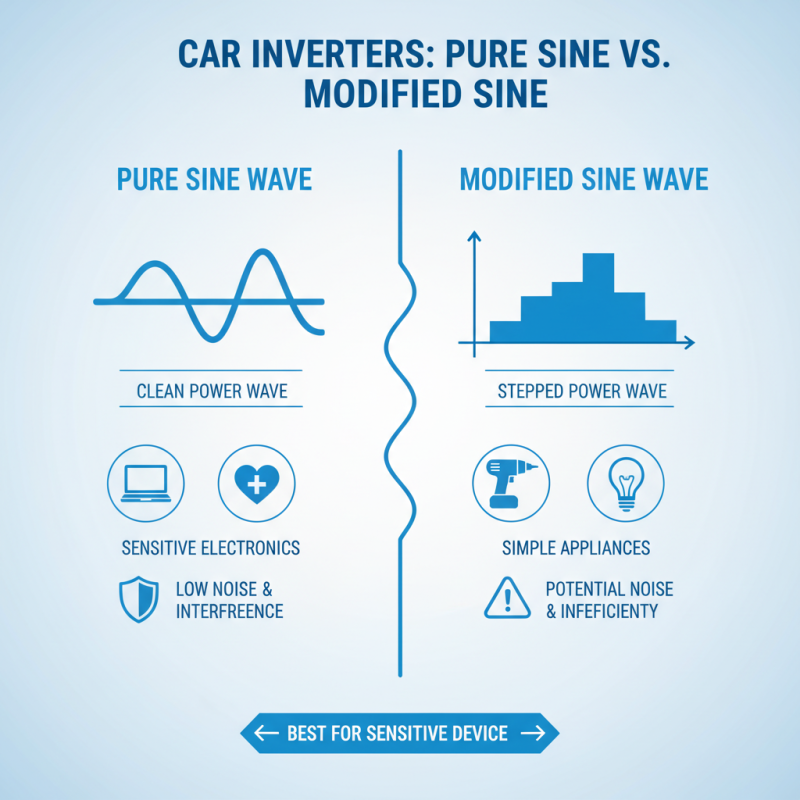
When considering a car inverter, understanding the two main types—pure sine and modified sine—can significantly impact your choice. Pure sine inverters provide a smooth waveform, closely resembling the power from your household outlets. This makes them ideal for sensitive electronics like laptops and medical devices. They minimize noise and interference, ensuring efficient operation.
On the other hand, modified sine inverters are often more affordable. They produce a simpler waveform that may not be suitable for all devices. Some electronic equipment might not operate properly or safely with modified sine power. This begs the question: is saving money worth potential risks? You might face interruptions or malfunctions in devices.
Ultimately, the decision hinges on your usage needs. If you rely on high-quality power for important gadgets, a pure sine inverter may be the reliable choice. However, if you only need to charge phones or power simple tools, a modified sine inverter could suffice. Weigh the pros and cons carefully before investing in an inverter. What are your specific needs in a vehicle?
Industry Statistics: The Growth of Inverter Usage in Automotive Technology
In recent years, the automotive industry has seen significant growth in inverter usage. This trend reflects a shift towards more versatile vehicle technology. Inverters convert DC power from a vehicle's battery to AC power, allowing drivers to use various electronic devices on the road. Industry statistics indicate a steady increase in sales of inverters for automotive applications, driven by the rising demand for mobile technology.
The surge in inverter adoption can be attributed to lifestyle changes. More people rely on their vehicles for work and recreation, triggering the need for power sources beyond just powering the engine. However, some face challenges in understanding their vehicle's electrical limits. Misuse can lead to battery drain or circuit failures. It’s vital for users to recognize the importance of selecting the right inverter for their needs. This requires careful consideration of both power requirements and vehicle specifications.
While the benefits are apparent, the learning curve might deter some users. Many vehicle owners may not fully grasp how to install and maintain inverters effectively. This gap in knowledge can lead to frustration. As technology advances, education around inverter usage will be critical. Addressing these challenges will ensure that more drivers can leverage the full potential of inverter technology, enhancing their driving experience.
Safety Considerations When Installing and Using Car Inverters
Installing a car inverter can expand your vehicle's utility significantly. It allows you to power various devices while on the go. However, there are important safety considerations to keep in mind. Improper installation can cause damages or even pose fire hazards. Make sure to use an inverter that matches your vehicle's specifications.
Ventilation is crucial. Inverters generate heat during operation, which needs to dissipate. Place the inverter in a well-ventilated area to avoid overheating. Additionally, always check the power rating of the devices you intend to use. Overloading the inverter can lead to malfunctions.
When using a car inverter, be aware of your surroundings. Avoid using it in wet conditions; moisture can damage both the inverter and connected devices. Regularly inspect connections and cables for signs of wear. This proactive approach can enhance safety and prolong your inverter's lifespan.