How to Choose the Best Electric Inverter for Your Needs?
Choosing the right Electric Inverter can be a daunting task. With various options available, it’s crucial to understand your needs. Renowned expert in renewable energy, Dr. Emily Carter, emphasizes, “An Electric Inverter is the heart of your solar power system.” This highlights its importance for efficient energy use.
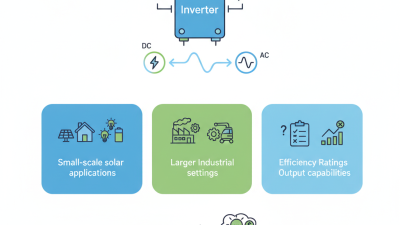
When selecting the best Electric Inverter, consider factors like power output, efficiency, and durability. Each individual's situation is unique, and what works for one may not work for another. For instance, a small home may need a different inverter than a commercial facility. Assessing these details can prevent inevitable challenges.
Many users often overlook essential features. Some inverters offer advanced functionalities that could better match your requirements. Understanding these variances is essential. A wrong choice can lead to inadequate power supply and increased costs. Take time. Researching the optimal Electric Inverter requires patience, but it’s worth it.

Understanding Electric Inverters: A Comprehensive Overview
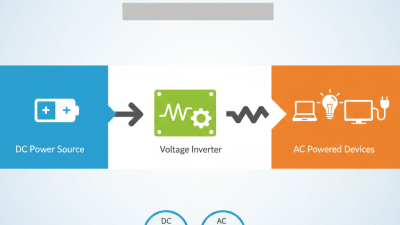
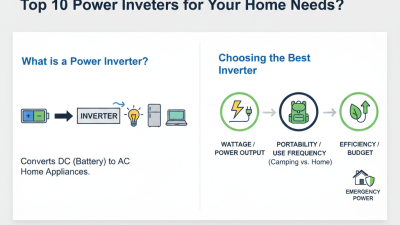
Understanding electric inverters is crucial for anyone considering a power solution. These devices convert DC power from sources like batteries into AC power for home use. Knowing the different types is important. Pure sine wave inverters produce clean power suitable for sensitive electronics. Modified sine wave inverters are often cheaper but can cause issues with certain appliances.
When choosing an inverter, consider your specific needs. Assess your power consumption. List all devices you plan to use simultaneously. This will help you determine the required wattage. Many people overlook surge ratings, which are essential for items with motors, like refrigerators and air conditioners.
Reflect on the installation process and space available for the inverter. Some units require ventilation, while others may need specific mounting. Look into the warranty and customer support, as these can make a significant difference. Many do not think about potential long-term expenses, such as battery replacements and maintenance costs. Being informed helps you make a better decision.
Identifying Your Power Requirements and Usage Scenarios
When choosing an electric inverter, understanding your power requirements is crucial. Start by calculating the total wattage of the devices you intend to use. For example, if you plan to power a refrigerator (about 100-800 watts) along with lights (around 10-100 watts each) and small appliances (often between 300-1500 watts), add these figures together. This simple math helps you determine the appropriate inverter size.
Consider usage scenarios as well. For instance, if you're camping, you may only need to power smaller gadgets. However, for emergency home backup, you might want an inverter that supports larger appliances. According to a 2022 market analysis, 60% of users report needing inverters for both recreational and domestic settings. It's vital to anticipate your peak usage demand and allow for a buffer. Inverters should typically handle 20-30% more than your calculated needs. Ignoring this can lead to inefficiency or even damage to your equipment.
Also, keep in mind that not all inverters are created equal. Some are pure sine wave, while others are modified sine wave. The former is better for sensitive electronics. A report by the Energy Information Administration indicates that users often underestimate the importance of inverter quality. Inadequate power solutions can lead to system failures. Be mindful of your choices, and conduct thorough research to ensure you’re selecting the right inverter for your situation.
Power Requirements for Electric Inverters
Types of Electric Inverters: Choosing the Right Technology
Choosing the right technology in electric inverters is crucial for optimizing energy use. The market currently offers various types of electric inverters, with the two primary categories being pure sine wave and modified sine wave inverters. According to a recent report from the International Renewable Energy Agency, pure sine wave inverters are more efficient and compatible with sensitive electronics. They provide cleaner power and reduce the risk of equipment damage.
Modified sine wave inverters are generally more affordable but less efficient. They can cause issues with some devices, such as microwaves or audio equipment. Data from the National Renewable Energy Laboratory indicates that these inverters can result in energy losses, leading to higher overall electricity costs over time. This is especially important for those who rely on energy efficiency for cost savings.
Battery-based systems add another layer of consideration. Lithium-ion batteries, while initially more expensive, offer longer lifespans and faster charging. Conversely, lead-acid batteries are cheaper upfront but come with shorter lifespans. Overall, understanding the implications of each inverter type is key to making an informed decision. Each choice comes with its own benefits and drawbacks, making it essential to evaluate specific needs carefully.
Key Features to Consider When Selecting an Inverter
Choosing the right electric inverter requires careful consideration of several key features. Start with wattage. Calculate your power needs before looking for an inverter. It should support your devices without overloading. Look for a model that offers a little more wattage than your total requirement. This buffer can prevent potential issues.
Next, think about the inverter type. Pure sine wave inverters produce clean power. They are suitable for sensitive electronics. On the other hand, modified sine wave inverters are simpler and often more affordable. However, they might not be ideal for all gadgets. Consider where and how you plan to use the inverter. Portability matters if you need it on the go.
Efficiency is another critical aspect. Higher efficiency means less energy loss during conversion. Many inverters are rated by their efficiency. Aim for a model with at least 80% efficiency. Don’t overlook safety features as well. Built-in protections against overvoltage, overheating, and short-circuiting are essential. As you weigh these features, reflect on your specific usage patterns to find the best match for your needs.
Budgeting Considerations: Cost vs. Value in Inverter Selection
When considering solar inverters, budget plays a crucial role. Many consumers struggle with the balance between cost and value. Reports indicate that top-performing inverters can range from $1,000 to $3,000. While cheaper models can be enticing, they may compromise efficiency and durability. For example, a study by the Solar Energy Industries Association highlights that inverters account for about 20% of a solar energy system's total cost, yet their performance directly affects overall energy production.
Consumers should evaluate the long-term impact of their investment. A cheaper inverter might save money upfront but may lead to higher maintenance costs over time. In contrast, a reliable inverter can offer warranties of up to 25 years, underscoring its durability and potential cost-effectiveness. A recent report from EnergySage suggests that more expensive, premium models could be more efficient, providing around 5% to 10% more energy over their lifespan compared to budget options.
Quality is another critical factor. Inverters with advanced technology often provide better integration with smart home systems. This might increase initial expenses but offers added value through energy savings and enhanced functionality. Understanding these intricacies is essential for effectively navigating the inverter market and ensuring a wise investment.