Top 10 House Inverter Options for Smart Home Power Solutions?
In an era where smart homes are becoming the norm, having a reliable House Inverter is essential. These devices not only provide backup power during outages but also optimize energy use in daily living. With the right inverter, you can enhance your home's efficiency and sustainability.
Choosing the best House Inverter can feel overwhelming. Many options flood the market, each boasting unique features and capabilities. Factors like power output, battery compatibility, and ease of installation come into play. Some inverters are better suited for small homes, while others can power large appliances.
Understanding these variables is crucial for making an informed decision. Not all inverters are created equal, and the wrong choice may lead to inefficiencies. This guide will explore the top ten options in today’s market. It aims to help you navigate through the myriad of choices while ensuring your smart home remains powered and efficient.

Understanding Inverters: What They Are and How They Work
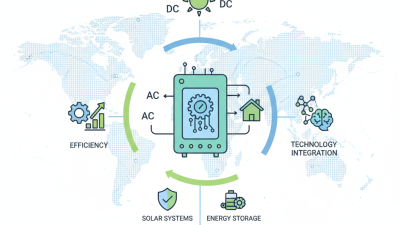
Inverters play a crucial role in modern smart homes. They convert direct current (DC) from batteries into alternating current (AC), enabling the use of household appliances. According to the U.S. Department of Energy, this conversion is vital for integrating renewable energy sources. Without inverters, the benefits of solar panels or battery storage systems would be minimal.
Understanding how inverters function is essential for optimizing energy use. They come in different types, primarily sine wave and modified sine wave.
Pure sine wave inverters are more efficient but often pricier. A study by the National Renewable Energy Laboratory indicates that using high-quality sine wave inverters can enhance energy savings by over 20%. This suggests that investing in reliable technology improves overall power management.
However, not all inverters are created equal. They can have inefficiencies that lead to energy loss. For instance, the average efficiency rating of many inverters falls between 85% to 95%. This variance means that selecting the right inverter is critical. The decision impacts not just electricity costs but also the longevity of appliances. Therefore, careful consideration is necessary.
Key Features to Consider When Selecting a House Inverter
When selecting a house inverter, several key features are essential to consider. Power capacity is one of the most significant aspects. Data from the Energy Information Administration shows that the average American home consumes about 877 kWh per month. Thus, an inverter must accommodate this demand efficiently. A unit with a higher wattage rating offers flexibility for future expansion and additional appliances.
Battery compatibility is another critical factor. Recent reports indicate that lithium-ion batteries remain the preferred choice due to their longevity and efficiency. They’re more cost-effective over time compared to traditional lead-acid options. It is also important to check the inverter’s capability to handle multiple battery types. This ensures adaptability as technology advances.
Efficiency ratings should not be overlooked. Efficiency can significantly impact electricity costs, with inverter systems operating between 85% to 95%. Opting for a higher efficiency model can lead to substantial savings in the long run. Many users express dissatisfaction with inverters that fall short in this area. Poor efficiency often results in unexpected power losses, leading to frustration among homeowners. A thorough evaluation of these features can guide users towards a suitable and reliable inverter solution.
Top 10 House Inverter Options for Smart Home Power Solutions
Top 10 House Inverter Options for Smart Home Solutions
In today's world, integrating smart home technology with reliable power solutions is essential. A good house inverter is fundamental to ensuring your devices run smoothly during outages. The right inverter can efficiently transform DC power from batteries into usable AC power, which supports various household appliances.
Consider your power needs carefully. An inverter must match your home's energy consumption. Before purchasing, assess both high and low power demands. Smart home gadgets often maintain a delicate energy balance. It's vital to choose an inverter that provides both flexibility and stability.
Many inverters come with user-friendly interfaces. Some offer wireless monitoring options as well. Having remote access allows for real-time energy management. However, integration with existing devices may be complex. Ensure compatibility before installation. A well-chosen inverter can enhance your home's efficiency, but poor choices may lead to energy waste.
Top 10 House Inverter Options for Smart Home Solutions
| Model |
Power Output (W) |
Input Voltage (V) |
Efficiency (%) |
Battery Compatibility |
Features |
| Model A |
2000 |
12 |
90 |
Lithium-ion |
Portable, USB ports |
| Model B |
3000 |
24 |
92 |
Lead Acid, Lithium-ion |
Smart monitoring, Remote control |
| Model C |
1500 |
12 |
88 |
Lithium-ion |
Compact design, LED display |
| Model D |
5000 |
48 |
95 |
Lead Acid, Lithium-ion |
High performance, Multiple outlets |
| Model E |
1000 |
12 |
87 |
Lithium-ion |
Lightweight, Easy to install |
| Model F |
2000 |
24 |
90 |
Lead Acid |
Durable, Weather resistant |
| Model G |
2500 |
48 |
93 |
Lithium-ion |
Smart grid compatibility, Eco-friendly |
| Model H |
4000 |
24 |
94 |
Lead Acid, Lithium-ion |
High-capacity, Versatile |
| Model I |
3500 |
48 |
89 |
Lithium-ion |
Compact, Fast charging |
| Model J |
6000 |
48 |
96 |
Lead Acid |
Heavy-duty, Multiple input options |
Comparative Analysis: Performance and Efficiency of Each Inverter
In today's energy-conscious world, choosing the right house inverter is crucial for optimizing smart home power solutions. The performance and efficiency of inverters directly impact energy consumption and utility costs. According to a report from the International Renewable Energy Agency, modern inverters can convert solar energy with an efficiency of up to 98%. This is a significant improvement compared to older models, which typically operate around 90%. Higher efficiency means less energy waste, making newer inverters a smart choice for homeowners.
However, not all inverters perform equally under different conditions. A recent study highlighted that temperature fluctuations can reduce efficiency by as much as 10%. Therefore, considering environmental factors is vital. Smart inverters may offer advanced monitoring features, allowing users to track performance trends over time. This data can be invaluable for making informed changes to energy usage habits.
There’s also the aspect of longevity. Research shows that top-performing inverters can last 15 to 20 years with regular maintenance. Yet, failing to conduct routine checks can result in unexpected breakdowns and efficiency losses. Homeowners should balance reliability and cost when making a choice. Exploring features, warranty terms, and price can lead to a well-informed decision. Finding the perfect inverter may not be straightforward, but understanding these factors is essential for maximizing energy efficiency.
Installation and Maintenance Tips for Optimal Inverter Performance
When integrating an inverter into your smart home, installation is crucial. Proper placement can enhance efficiency. The inverter should be in a well-ventilated area. This helps manage heat. Ensure you follow the manufacturer’s guidelines for distance from sensitive electronics. According to industry reports, an improper setup can reduce performance by up to 15%.
Maintenance is another vital aspect. Schedule regular inspections every six months. Dust buildup can hinder functionality. Clean the inverter exterior to prevent overheating. Checking battery connections is also essential. Loose connections can cause power fluctuations. Data indicates that around 25% of inverters fail due to neglect in these areas.
Understanding warning signs is critical. If you notice unusual noises or fluctuations in power output, act quickly. Ignoring these signs can lead to costly repairs. Documentation of any issues will help technicians diagnose problems effectively. Industry experts recommend keeping records for at least three years. This practice enhances reliability and supports optimal performance over time.