How to Choose the Best Voltage Inverter for Your Needs?
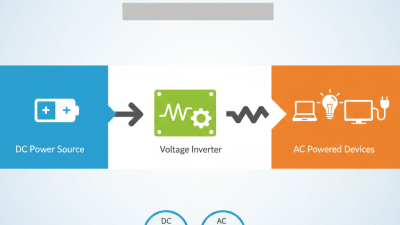
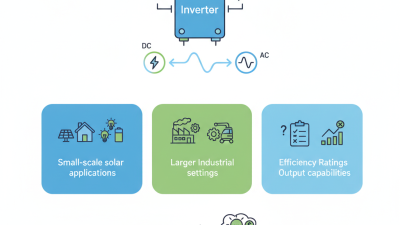
Choosing the right voltage inverter can be challenging. With so many options available, it’s easy to feel overwhelmed. Understanding your specific needs is vital. A voltage inverter converts DC power to AC power. This makes it crucial for various applications, from RVs to home use.
When selecting a voltage inverter, consider wattage requirements. Determine how much power your devices consume. You don't want an inverter that’s underpowered. It’s also important to look at the inverter’s efficiency ratings. A more efficient model will save you energy in the long run.
Think about portability versus permanent installation. Some voltage inverters are compact and lightweight, ideal for travel. Others are designed for stationary use and larger systems. The choice will impact your convenience and setup. Take your time to reflect on what works best for you, as this decision can significantly affect your power supply experience.
Understanding the Basics of Voltage Inverters
Voltage inverters play a crucial role in converting DC power to AC power. This conversion is essential for operating numerous household and commercial devices. Understanding the basics of voltage inverters helps you select the most suitable model for your specific needs. The inverter's output power and waveform types are two key factors to consider.
When evaluating inverters, pay attention to the output power rating. This rating indicates how much wattage the inverter can handle. If the need exceeds this rating, the inverter could fail or be damaged. Additionally, consider the waveform type. Pure sine wave inverters produce a smooth, consistent current, which is ideal for sensitive electronics. Modified sine wave inverters, on the other hand, may suffice for simpler devices but might create issues with more complex electronics.
Many users overlook the importance of size and portability. A larger inverter often offers more power but can be cumbersome. Smaller units are more portable but may not support high-drain devices. Striking the right balance is critical. Reflecting on your actual usage can guide you to the inverter that best fits your lifestyle. Be mindful of the environment in which you use the inverter, as heat and humidity can affect performance.
Types of Voltage Inverters and Their Applications
When choosing a voltage inverter, understanding the types is crucial. There are three main types: modified sine wave inverters, pure sine wave inverters, and grid-tie inverters. Each serves different needs and applications.
Modified sine wave inverters are often more affordable. They work well for simple devices but can cause issues with complex electronics. If you’re powering sensitive equipment, a pure sine wave inverter is a better choice. It provides a clean power output, which is essential for computers and other delicate appliances.
Grid-tie inverters play a different role. They connect renewable energy systems, like solar panels, to the main power grid. These inverters enable users to feed excess electricity back into the grid. However, they require specific setups and isn’t suitable for standalone applications. Understanding which inverter matches your specific use is important.
Consider your devices' power needs before making a decision.
It’s worth noting that no inverter type is perfect. Each comes with its own advantages and disadvantages. For instance, modified sine wave inverters can be less efficient at powering certain appliances. This inefficiency may result in wasted energy. Reflecting on your unique circumstances is vital. Careful assessment ensures the inverter you choose meets your actual needs.
Key Specifications to Consider When Choosing an Inverter
When choosing a voltage inverter, understanding key specifications is crucial. Power output is the first consideration. An inverter needs to match your devices' power requirements. Look at both surge and continuous wattage. Devices like refrigerators may require extra power at startup. Not accounting for this can lead to device damage.
Efficiency also plays a significant role in your decision. High-efficiency inverters waste less energy. This can significantly affect your energy costs over time. Additionally, consider the inverter type: pure sine wave or modified sine wave. Pure sine wave inverters are better for sensitive electronics. They provide cleaner power but are often more expensive.
Battery compatibility is another important factor. Ensure your inverter works with your battery type. Check voltage and capacity ratings carefully. Incompatible choices can lead to inefficiencies. It’s easy to overlook these details while searching. Reflect on your power needs and usage scenarios thoroughly. Proper research is essential for a successful purchase.
Evaluating Your Power Needs and Usage Scenarios
When selecting a voltage inverter, understanding your power needs is crucial. Begin by assessing the devices you plan to power. For instance, if you want to run a refrigerator, check its wattage rating. Many household appliances, like microwaves, can require upwards of 1,000 watts. This information helps narrow down your inverter options, ensuring it can handle your essential devices.
Consider your usage scenarios as well. If you're planning to use the inverter for outdoor activities or emergency backup, portability and battery capacity are essential. A study by the Solar Energy Industries Association indicates that approximately 20% of consumers prioritize inverter weight when making decisions. This reflects a trend towards lightweight solutions in portable energy needs, highlighting the importance of balancing power output with convenience.
Reflecting on your specific circumstances can reveal overlooked needs. For example, if you have multiple devices, calculate their combined wattage. If this total exceeds your inverter's capacity, you'll run into problems. Many users underestimate startup watts, which can be significantly higher than running watts, leading to incorrect inverter selection. Ensuring your inverter meets both running and startup requirements is vital for reliable energy management.
Common Brands and Models of Voltage Inverters on the Market
When selecting a voltage inverter, understanding the common brands and models available is crucial. The inverter market features many reliable players, and consumer reports indicate that users value efficiency and durability. Popular options include pure sine wave and modified sine wave inverters. Each has its strengths and weaknesses. Pure sine wave inverters mimic utility power and suit sensitive electronic devices. Modified sine wave models, while cheaper, can cause some appliances to malfunction.
Recent industry data shows that inverter efficiency often ranges between 80% and 90%. This means a significant portion of energy can be wasted in the conversion process. Some models boast up to 95% efficiency. Such performance is critical for users relying on inverters for solar setups or emergency power systems. The rise of portable inverters is also notable, catering to outdoor enthusiasts and those needing temporary power solutions.
Many consumers focus on brands known for reliability. However, brand recognition does not always guarantee superior performance. User feedback plays a vital role in choosing the right model. Regularly checking reviews and performance reports can provide valuable insights. Learning from others' experiences can guide in selecting an inverter that meets specific energy needs.
How to Choose the Best Voltage Inverter for Your Needs?
| Inverter Type |
Power Output (Watts) |
Input Voltage (V) |
Output Waveform |
Weight (lbs) |
Price Range (USD) |
| Pure Sine Wave Inverter |
3000 |
12 |
Pure Sine Wave |
30 |
$300 - $600 |
| Modified Sine Wave Inverter |
2000 |
12 |
Modified Sine Wave |
25 |
$150 - $350 |
| Grid Tie Inverter |
5000 |
240 |
Sine Wave |
40 |
$600 - $1200 |
| Portable Inverter |
1200 |
12 |
Modified Sine Wave |
15 |
$100 - $200 |