Leave Your Message

Top 10 Benefits of Using UPS Inverters for Your Business

In today's fast-paced business environment, reliability and efficiency are key. A UPS inverter is essential for maintaining power continuity during outages. According to energy expert John Smith, “Integrating UPS inverters into your business can eliminate costly downtime.” His insights highlight the significant impact of these devices.

UPS inverters provide several advantages that can transform operations. For instance, they safeguard sensitive electronics and ensure smooth functioning during power disruptions. Businesses must recognize the importance of uninterrupted power supply. Not addressing this need can lead to losses and diminished productivity.

As companies explore energy solutions, UPS inverters emerge as a vital component. The reliance on digital systems makes it critical to have backup power. Imagine a scenario where a sudden outage halts production. That thought alone should prompt reflection on power reliability. Investing in UPS inverters is not just a safeguard; it's a strategic move for growth and stability.
Top 10 Benefits of Using UPS Inverters for Your Business

Understanding UPS Inverters: An Overview

Understanding UPS Inverters: An Overview

UPS inverters play a vital role in maintaining business continuity. They convert DC power stored in batteries into AC power for devices. This function is essential during power outages or fluctuations, ensuring that operations remain unaffected. Many businesses rely on these systems for critical applications.

When choosing a UPS inverter, consider your specific power needs. Assess the total wattage of your devices and look for a model that can handle this load. This helps prevent overloading and ensures smooth operation. Also, regularly maintain and test your UPS system. A well-maintained inverter will provide reliable performance.

One common oversight is underestimating backup time. Businesses often choose models based on immediate needs but forget to plan for longer outages. It's crucial to analyze potential downtime impacts. Make sure your UPS system has enough capacity to support essential operations during extended power failures. This foresight can save your business from significant losses.
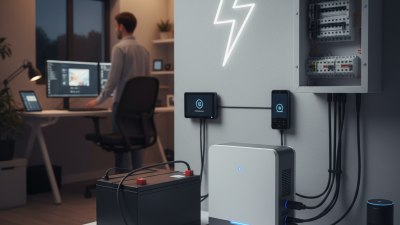
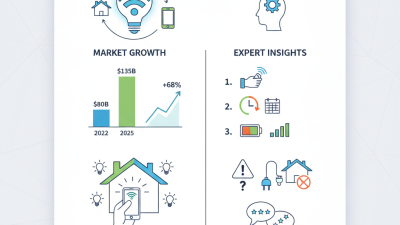
Enhancing Business Continuity with UPS Inverters

In today's fast-paced business environment, maintaining continuity is essential. UPS inverters play a crucial role in achieving this goal. According to a report by the International Electrotechnical Commission, companies can lose up to $250,000 per hour due to downtime. UPS inverters provide a reliable power supply during outages, ensuring that operations remain uninterrupted. Their ability to deliver instantaneous power can be a game changer.

Data from the Ponemon Institute highlights that 90% of businesses experience some form of power interruption each year. This statistic emphasizes the need for robust backup systems. UPS inverters not only protect sensitive equipment but also minimize data loss. The efficiency of modern inverters leads to reduced energy costs, allowing funds to be allocated to other critical areas of the business.

Moreover, the implementation of UPS technology can improve overall employee productivity. A study by the Emerson Network Power found that uninterrupted power leads to a 20% increase in productivity. Employees can focus their efforts without the fear of sudden power cuts. However, implementing such systems requires careful planning. An unoptimized setup can lead to increased energy waste and costs, necessitating a thoughtful approach to deployment.

Top 10 Benefits of Using UPS Inverters for Your Business - Enhancing Business Continuity with UPS Inverters

Benefit Description Impact on Business
Uninterrupted Power Supply Provides continuous power during outages, ensuring operations remain unaffected. Keeps business operations running smoothly, reducing downtime.
Data Protection Safeguards critical data by preventing abrupt power loss. Minimizes data loss incidents, enhancing overall data integrity.
Enhanced Equipment Longevity Reduces wear and tear on machinery caused by power fluctuations. Extends the lifespan of investments in equipment, saving costs.
Improved Productivity Ensures staff can work without interruptions. Boosts output and efficiency across operations.
Cost Savings Reduces costs associated with power outages and equipment failures. Improves bottom-line performance by lowering operational costs.
Scalability Easily integrates with existing power systems as the business grows. Facilitates growth without requiring significant infrastructure updates.
Regulatory Compliance Helps businesses meet power backup regulations. Avoids penalties and ensures adherence to legal standards.
Enhanced Reputation Demonstrates commitment to reliability and service quality. Attracts and retains customers through consistent service.
Environmental Sustainability Promotes energy efficiency through regulated power supplies. Positively impacts corporate social responsibility initiatives.
Remote Management Enables monitoring and management of power systems remotely. Provides greater control and responsiveness to power issues.

Cost Savings Through Energy Efficiency of UPS Inverters

Top 10 Benefits of Using UPS Inverters for Your Business

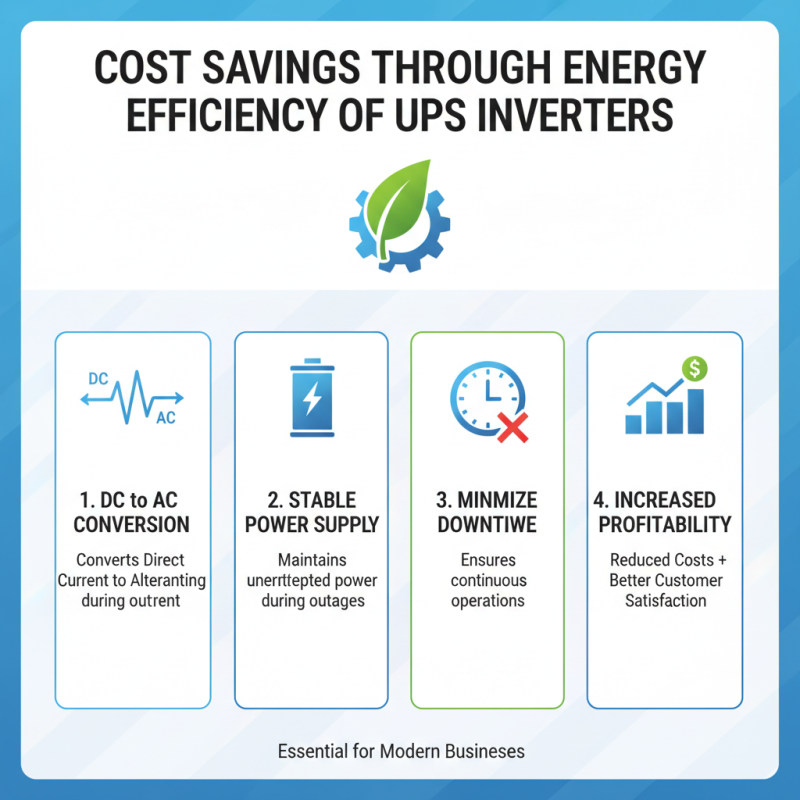
UPS inverters are becoming essential for businesses aiming to improve energy efficiency and reduce costs. These systems convert DC (direct current) to AC (alternating current), helping to maintain a stable energy supply during outages. When your business relies on uninterrupted power, employing UPS inverters can significantly minimize downtime. This reliability translates to a consistent operational flow, which leads to better customer satisfaction.

Energy efficiency plays a crucial role in cost savings. UPS inverters optimize energy usage through features like automatic voltage regulation and energy monitoring. With precise energy management, businesses can lower their electricity bills. Additionally, these inverters help reduce the wear and tear on backup generators, extending their lifespan and conserving resources. However, the initial investment can be substantial, sparking concerns about financial returns.

Understanding your specific energy needs is vital. Businesses should evaluate how much energy they use and how often outages occur. This reflection will help in deciding the appropriate type and size of the UPS inverter. While the promise of savings is enticing, not every business may see immediate benefits. It's important to weigh options carefully for a truly effective energy solution.

Improving Equipment Lifespan with UPS Inverters

The lifespan of your equipment heavily influences operational costs. UPS inverters serve as a crucial buffer against power interruptions. By ensuring a steady power supply, they protect sensitive technology. This protection ultimately extends the life of your valuable assets. According to recent industry reports, businesses that implement UPS systems can see a reduction in equipment failure rates by up to 30%.

Moreover, UPS inverters stabilize voltage levels, minimizing wear on electrical components. This stabilization can lead to significant improvements in overall system performance. For instance, a study from the Institute of Electrical and Electronics Engineers shows that equipment longevity can increase by as much as 25% with UPS support. While the upfront investment might appear high, the long-term benefits often outweigh these initial costs.

However, it's essential to recognize the limitations of any system. UPS systems require regular maintenance to function optimally. Neglecting this aspect can lead to unexpected failures. Additionally, understanding your business's specific power needs is crucial. An inadequate or oversized setup may still jeopardize the equipment’s lifespan. Balancing costs with reliability remains a daily challenge for many operations.

Top 10 Benefits of Using UPS Inverters for Your Business

The Role of UPS Inverters in Protecting Data Integrity

Top 10 Benefits of Using UPS Inverters for Your Business

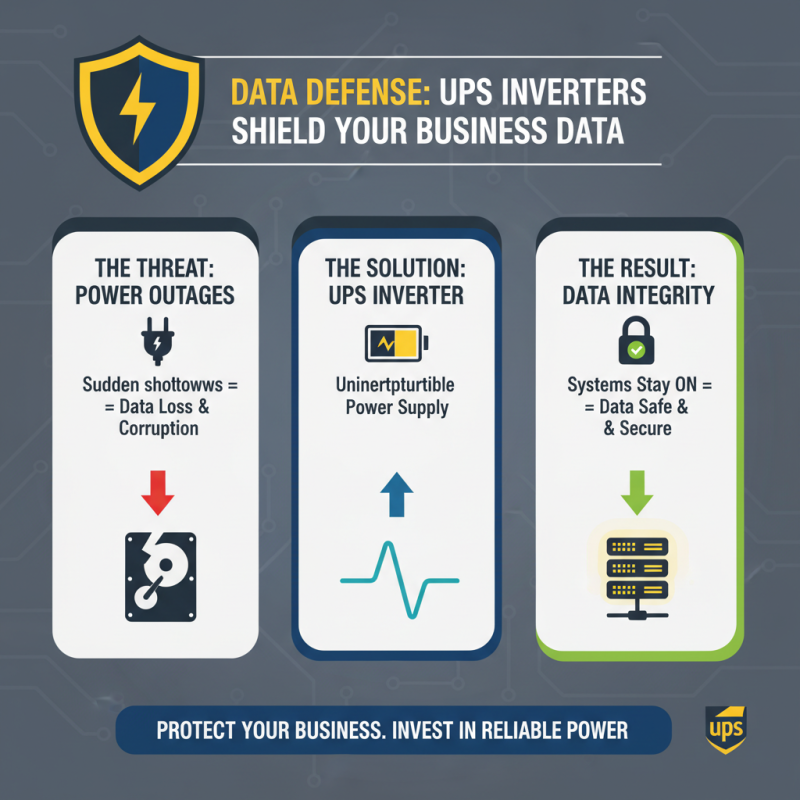
In today's digital landscape, protecting data integrity is paramount for businesses. UPS inverters serve a critical role in ensuring that sensitive data remains secure during power interruptions. These devices provide an uninterrupted power supply, which safeguards against data loss. When the power goes out, businesses can't afford disruptions. An inverter prevents sudden shutdowns, allowing systems to remain operational.

Moreover, UPS inverters help maintain data integrity by regulating power fluctuations. Unstable voltage can corrupt files and damage hardware. By stabilizing the power supply, UPS inverters extend the lifespan of sensitive equipment. However, relying solely on these systems may lead to complacency. Regular maintenance checks are necessary to ensure optimal performance.

Additionally, critical data is often stored on local servers. Without a reliable power source, this data is at risk during outages. UPS inverters act as a buffer, giving employees time to save work and shut down systems properly. Yet, businesses must also consider offsite backups. This redundancy offers another layer of protection against potential data loss. A well-rounded strategy, combining UPS inverters with backup solutions, enhances data security.