What Are Wall Sockets? Types, Uses, and Important Safety Tips
Wall sockets play a crucial role in our daily lives, providing a fundamental link between our electrical systems and the appliances we rely on. As the demand for electricity increases in our modern society, understanding the various types of wall sockets, their applications, and the essential safety measures associated with them becomes paramount. Renowned electrical expert Dr. Emily Carter emphasizes this point by stating, "Wall sockets are the unsung heroes of our electrical infrastructure; knowing their types and safety is key to ensuring a safe and efficient home."
In this article, we will explore the different types of wall sockets available, discussing their specific uses in residential and commercial settings. From traditional outlets to specialized sockets designed for high-power devices, each type has its unique advantages and considerations. Additionally, we will address critical safety tips that everyone should be aware of to prevent electrical hazards, ensuring that wall sockets remain a reliable and safe resource.
With the increasing prevalence of smart home technologies and the growing number of devices that require electrical power, the importance of understanding wall sockets cannot be overstated. Whether you are a homeowner, a contractor, or simply someone interested in enhancing your electrical knowledge, this comprehensive discussion will provide valuable insights into the world of wall sockets.
What Are Wall Sockets: Definition and Functionality Explained
Wall sockets, commonly referred to as electrical outlets, are essential components of a building's electrical system. They serve as access points for electrical devices to connect to the power supply, enabling the use of various appliances, tools, and electronics. Typically mounted at convenient heights on walls, these sockets provide a means for safely distributing electricity throughout a space, ensuring that users can easily plug in and turn on their devices with minimal effort.
The functionality of wall sockets extends beyond mere convenience; they are designed with safety features to protect users from electrical hazards. Most sockets come equipped with mechanisms such as grounding and fuses, which help prevent overloads and short circuits. Additionally, wall sockets are available in various configurations, including standard, double, and specialized outlets for particular applications such as USB charging. It is important for users to understand that the proper use and maintenance of wall sockets play a crucial role in home safety, minimizing the risks of electrical fires and shock.
Types of Wall Sockets: Variations for Different Electrical Needs
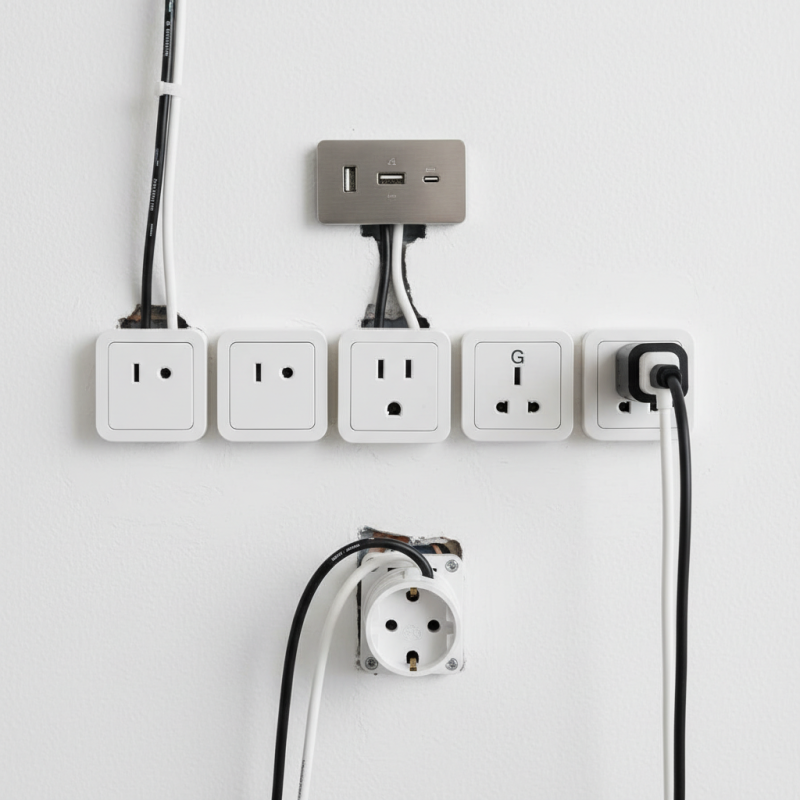
Wall sockets, also known as power outlets, are critical components in any electrical installation, serving as the connection point for various devices and appliances. They come in different types to accommodate a variety of electrical needs, ensuring safety and efficiency.
According to the International Electrotechnical Commission (IEC), there are over 15 standardized socket types worldwide, each designed to cater to the specific voltage and current requirements of different regions and applications. For instance,
Type A and B sockets are commonly used in North America, while Type C and E are prevalent in many European countries.
Each type satisfies unique operational demands, such as varying amperage levels and grounding mechanisms, to ensure compatibility with devices and enhance user safety.
The variations in wall socket design can also address specific functionalities. For example, GFCI (Ground Fault Circuit Interrupter) sockets are essential for wet areas like kitchens and bathrooms, as they prevent electrical shocks by cutting off power when a ground fault is detected.
Additionally, USB wall sockets have become increasingly popular, enabling users to charge their devices without the need for an adapter.
A report from the Global Market Insights indicates that the demand for smart wall sockets is expected to grow significantly, driven by the rise of smart homes and IoT devices, projecting a compound annual growth rate
(CAGR) of over 23% in the coming years. This underscores the importance of understanding the variety of wall sockets available to meet evolving electrical needs while prioritizing safety and convenience.
Common Uses of Wall Sockets in Residential and Commercial Settings
Wall sockets, also known as electrical outlets, are essential components in both residential and commercial buildings, providing a reliable source of electricity for various applications. In homes, they are commonly used for powering everyday appliances such as refrigerators, microwaves, telephones, and televisions. The convenient placement of wall sockets throughout the house allows for flexible use of space, enabling homeowners to easily connect and disconnect devices as needed.
In commercial settings, wall sockets play a crucial role in supporting the operational needs of businesses. Offices, for instance, rely heavily on wall outlets to power computers, printers, and other office equipment. In retail environments, they facilitate the use of point-of-sale systems, display lighting, and electronic signage. The versatility of wall sockets also supports charging stations for portable devices, enhancing customer convenience in public spaces. Properly installed and strategically placed wall sockets ensure efficient workflow and contribute to a safe, well-functioning workplace.
Safety Standards and Regulations for Wall Socket Installations
When it comes to wall socket installations, adherence to safety standards and regulations is crucial to ensure both efficiency and safety in residential and commercial settings. According to the National Electrical Code (NEC) in the United States, wall sockets must be installed in accessible locations and adhere to specific height regulations—typically, outlets must be positioned no less than 15 inches above the finished floor. This not only facilitates easy access but also minimizes the risk of electrical hazards, ensuring compliance with electrical safety guidelines.
Additionally, it is essential to recognize that different regions have varying standards that dictate the types of wall sockets permissible in certain applications. For instance, the International Electrotechnical Commission (IEC) outlines specifications for socket designs to prevent improper connections and reduce the risk of electric shock. Furthermore, the National Fire Protection Association (NFPA) statistics indicate that approximately 50,000 house fires occur each year due to electrical failures, underscoring the importance of proper wall socket installation in minimizing such risks. Regular inspections and adherence to local regulations not only protect property but also safeguard lives, highlighting that diligent attention to electrical safety standards is vital in any building project.
Essential Safety Tips for Using Wall Sockets to Prevent Injuries
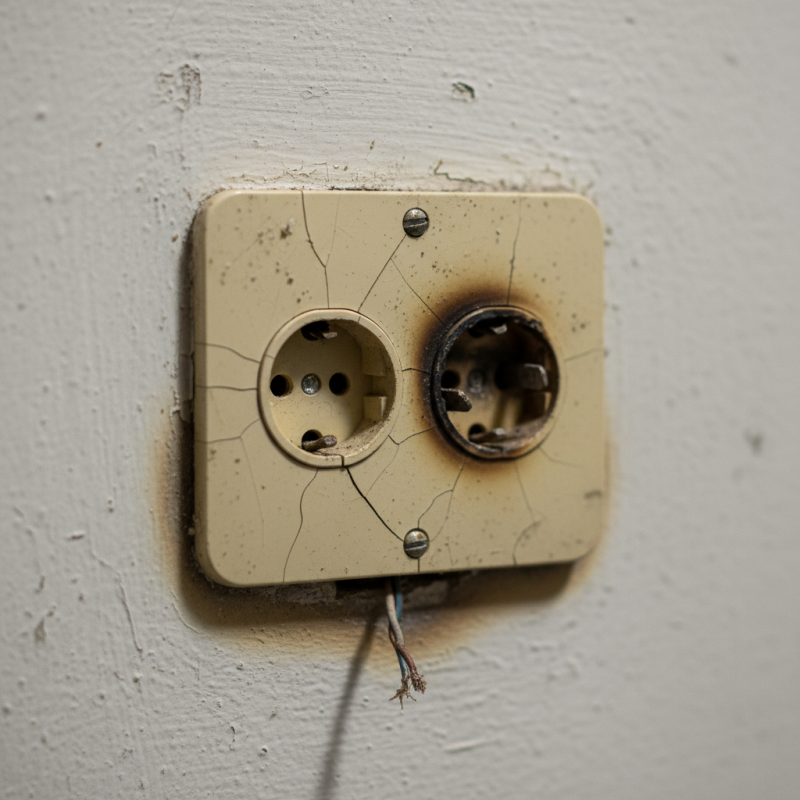
When using wall sockets, safety should always be the top priority to prevent injuries and ensure a safe environment. One essential safety tip is to regularly inspect your wall sockets for signs of wear or damage. Over time, sockets can become loose or develop cracks, which may lead to electric shocks or fires. If you notice any issues, it’s important to have them repaired or replaced by a qualified electrician immediately. Avoid overloading sockets by plugging in too many devices at once, as this can cause overheating and potentially result in electrical fires.
Another critical safety measure is to keep water and damp materials away from wall sockets. Moisture can increase the risk of electrical shock, especially if outlets are not fitted with safety covers. It's also wise to educate children about the dangers of poking objects into sockets and to use safety plugs to prevent accidental contact. Lastly, always unplug devices when they are not in use, as leaving them plugged in can pose unnecessary risks. By adopting these essential safety tips, you can significantly reduce the likelihood of accidents related to wall sockets.