Power Switch Tips for Energy Efficiency and Smart Home Integration
In today's fast-paced world, the integration of technology into our daily lives has led to the rise of smart homes, where devices and systems communicate seamlessly to enhance convenience and energy efficiency. One crucial element in achieving this efficiency is the use of intelligent power switches. Power switches play a vital role in managing energy consumption by allowing users to control energy use remotely and automate power management for various devices throughout the home. By leveraging these innovations, homeowners can significantly reduce their carbon footprint while benefiting from the convenience of modern living.
Understanding how to optimize power switch functionality is key to maximizing energy efficiency. Simple yet effective tips can greatly enhance the performance of these smart devices, from scheduling operation times to taking advantage of energy monitoring features. As we delve into this topic, we will explore how integrating power switches into your home can lead to smarter energy use and greater cost savings. Join us as we uncover practical strategies that not only contribute to a more sustainable living environment but also elevate your smart home experience.
Power Switch Overview: Importance in Energy Efficiency
Power switches play a crucial role in enhancing energy efficiency in today's smart homes. With the increasing adoption of smart technology, smart power switches allow homeowners to manage their energy consumption more effectively. According to a report by the U.S. Department of Energy, implementing smart energy management solutions can lead to a potential energy savings of 10-30% in residential settings. This is largely due to the ability to monitor and control energy use in real-time, making it easier for homeowners to identify and eliminate wasteful habits.
To maximize the benefits of power switches, consider these tips: First, utilize timers and programmable settings to automate your appliances based on your lifestyle, which can drastically cut down on unnecessary energy usage. Second, invest in smart plugs that can be controlled remotely, allowing you to turn off devices that are not in use or check the energy consumption of different appliances through a dedicated app. According to a survey from the National Renewable Energy Laboratory, households that actively managed their energy use through smart devices saw a reduction of energy use by up to 20%.
Moreover, integrating power switches with renewable energy sources, such as solar panels, enhances overall efficiency and reduces dependency on grid power. Tracking energy consumption through these smart switches allows families to make informed decisions about their energy usage patterns, contributing to a more sustainable future.
Power Switch Tips for Energy Efficiency and Smart Home Integration
| Switch Type |
Energy Efficiency Rating |
Smart Home Compatibility |
Average Cost ($) |
Lifespan (Years) |
| Smart Wi-Fi Switch |
A+ |
Yes |
25 |
10 |
| Zigbee Switch |
A |
Yes |
30 |
8 |
| Bluetooth Switch |
B |
Limited |
15 |
5 |
| Wi-Fi Dimmer Switch |
A++ |
Yes |
35 |
10 |
| Energy Monitoring Switch |
A+ |
Yes |
40 |
12 |
Key Features of Energy-Efficient Power Switches
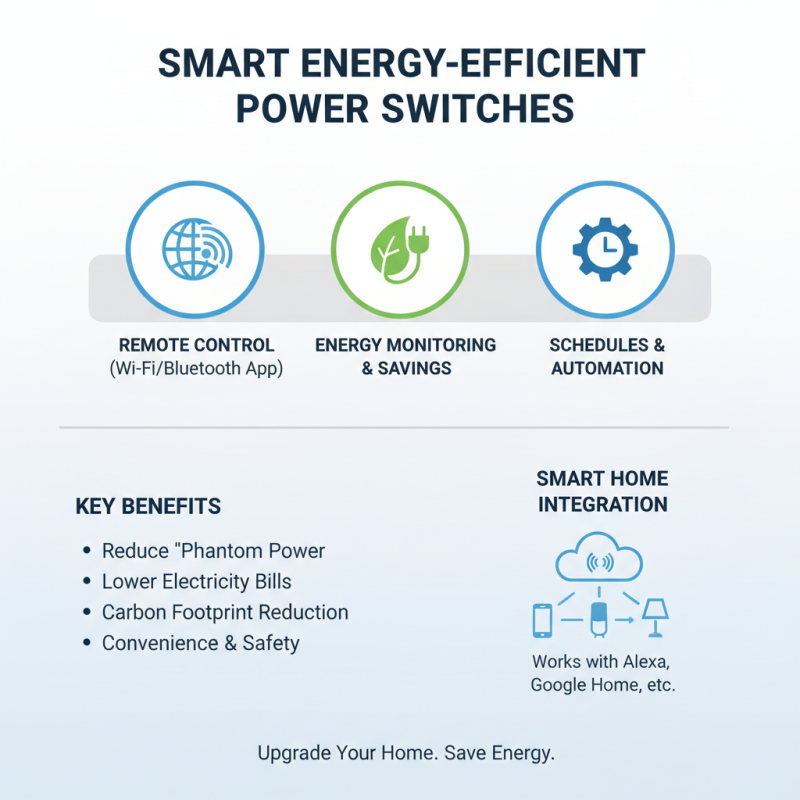
When considering energy-efficient power switches, several key features stand out as essential for both environmental sustainability and smart home integration. Firstly, the capability for remote control is a crucial feature. Smart switches often come equipped with Wi-Fi or Bluetooth connectivity, allowing users to manage their devices from anywhere via a smartphone app. This not only provides convenience but also enables users to turn off devices that may be left on inadvertently, thereby reducing energy waste.
Another important feature is the integration with smart home systems. Energy-efficient power switches should be compatible with popular home automation platforms such as Amazon Alexa, Google Assistant, or Apple HomeKit. This compatibility allows users to set schedules, monitor energy usage, and create automated routines that enhance energy savings. Additionally, many modern switches incorporate energy monitoring capabilities, providing real-time data on power consumption. This information empowers users to make informed decisions about their energy use and further optimize their settings for efficiency.
Integration of Power Switches in Smart Home Systems
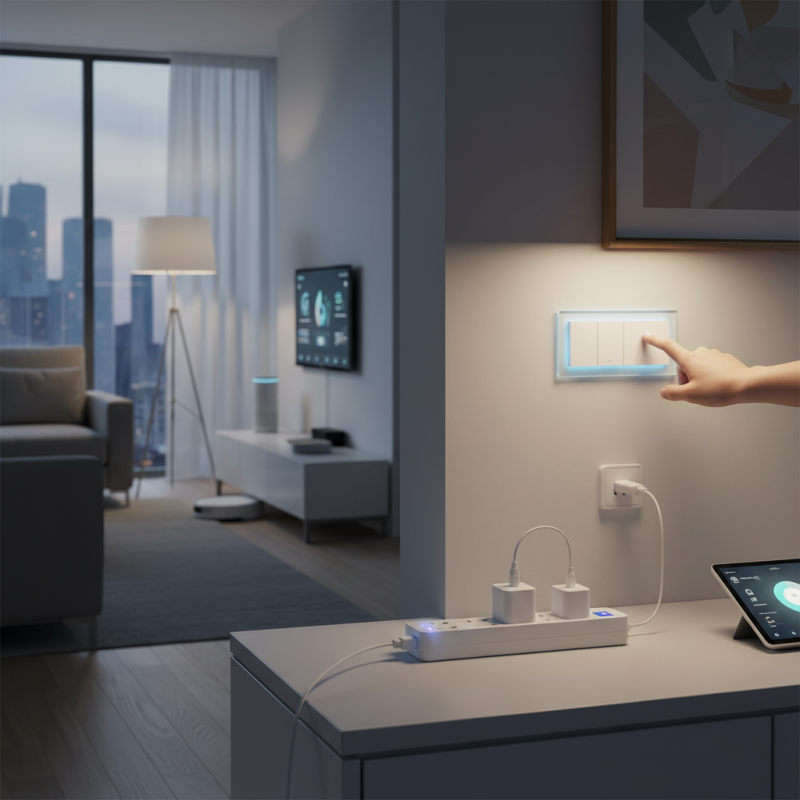
The integration of power switches in smart home systems plays a pivotal role in enhancing energy efficiency and overall home management. Smart power switches allow homeowners to control their appliances remotely via smartphones or voice commands, providing unparalleled convenience. By programming these switches, users can set schedules, automate lighting, and monitor energy consumption, ensuring that devices operate only when needed. This not only reduces energy waste but also contributes to cost savings on utility bills.
Moreover, smart power switches can be synchronized with other smart home devices, such as thermostats and motion sensors, to create a cohesive and responsive environment. For instance, when the motion sensor detects that no one is home, it can signal the power switches to turn off lights and other non-essential appliances automatically. This type of integration not only enhances comfort but also aligns with sustainable living practices by minimizing the carbon footprint of the household. As smart home technology continues to evolve, the functionality and integration of power switches will likely become even more sophisticated, further benefiting energy efficiency efforts.
Best Practices for Maximizing Power Switch Efficiency
Maximizing power switch efficiency in smart home integration is essential for both energy conservation and seamless operation. With the rise of innovative technologies such as wide bandgap power devices, including GaN (gallium nitride), the efficiency of electronic systems has significantly improved. These advanced materials are known for their high-frequency capabilities and lower heat generation, making them ideal for high-power applications.
Tips for Boosting Power Switch Efficiency:
-
Utilize GaN Technology: Switching to GaN-based power devices can reduce energy loss, enhance performance, and improve thermal management. The latest GaN switches enable smaller, lighter designs without compromising efficiency.
-
Optimize Load Connections: Properly aligning your power switches with the intended load can enhance performance. Avoid overloading switches, and ensure that connections are secure and maintained to prevent energy waste.
By adopting these practices, homeowners can integrate power switches that not only support their smart devices but also promote a more energy-efficient household. As the market advances, leveraging new technologies will help maximize energy savings and elevate home automation.
Future Trends in Power Switch Technology and Smart Integration
The future trends in power switch technology reveal a significant shift towards energy efficiency and smart integration within homes. The global smart power switch market is projected to grow from $33.17 billion in 2024 to over $67.36 billion by 2037, reflecting a robust compound annual growth rate (CAGR) during this period. This expansion is driven largely by advancements in smart home technology and stricter energy efficiency regulations. As consumers become more environmentally conscious, the demand for innovative solutions that integrate seamlessly with smart home systems continues to rise.
Additionally, the lighting control switch market is anticipated to grow at a CAGR of 5.33%, reaching approximately $6.54 billion by 2035. This trend underscores the role of smart technology in enhancing energy savings and convenience for users. Companies in the sector are investing in research and development to create more sophisticated, user-friendly products that not only optimize power usage but also integrate with other smart home devices. Such innovations are essential as we move toward a more connected and energy-efficient future, reflecting a collective industry focus on sustainability and intelligent living.