How to Choose the Best Home Sockets for Your Electrical Needs
Choosing the right home sockets for your electrical needs is an essential step in ensuring your household is both functional and safe. As technology evolves and our reliance on electronic devices increases, the importance of understanding how to select the best home sockets has never been more critical. Expert electrician Mark Thompson emphasizes, “The right home sockets can make a significant difference in not just ease-of-use but also in ensuring electrical safety within your home.”
In this guide, we will explore the various factors to consider when selecting home sockets that suit your unique requirements. From understanding voltage ratings to determining the appropriate number of sockets in each room, making informed decisions can enhance the efficiency and safety of your electrical system.
With countless options available in the market today, homeowners may feel overwhelmed. However, by focusing on essential features and recommendations tailored to specific needs, you can simplify the process. Join us as we delve into essential tips for choosing the best home sockets for your electrical requirements, ensuring your home remains both smart and secure.
Understanding Different Types of Home Sockets and Their Uses
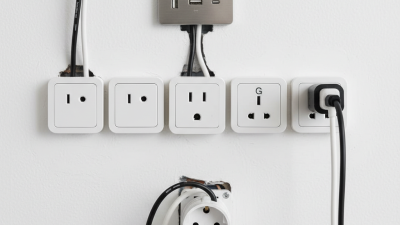
Choosing the right home sockets for your electrical needs requires a solid understanding of the various types available and their specific applications. The two most commonly used socket types are standard outlets, typically rated at 15 or 20 amps, and specialized outlets for higher power requirements. According to the National Electrical Manufacturers Association (NEMA), GFCI (Ground Fault Circuit Interrupter) outlets are essential in areas prone to moisture, such as kitchens and bathrooms, and can reduce the risk of electrical shock by 50%, thereby enhancing home safety.
When considering installation, it’s also important to recognize the difference between plug types, especially if you have appliances that require unique configurations. For instance, some devices may necessitate a 240-volt outlet, commonly known as a NEMA 6-15 or 6-30, which is critical for heavy-duty appliances like dryers or electric stoves. The need for specific configurations often stems from industry standards that dictate load capacities and safety measures.
Tip: Before selecting sockets, assess your current and future electrical usage. This can be achieved by reviewing the wattage requirements of your devices to ensure that the sockets you install can handle them efficiently. Additionally, consulting with a licensed electrician can provide insights into the best socket types tailored to your home environment, ensuring safety and functionality for all your electrical needs.
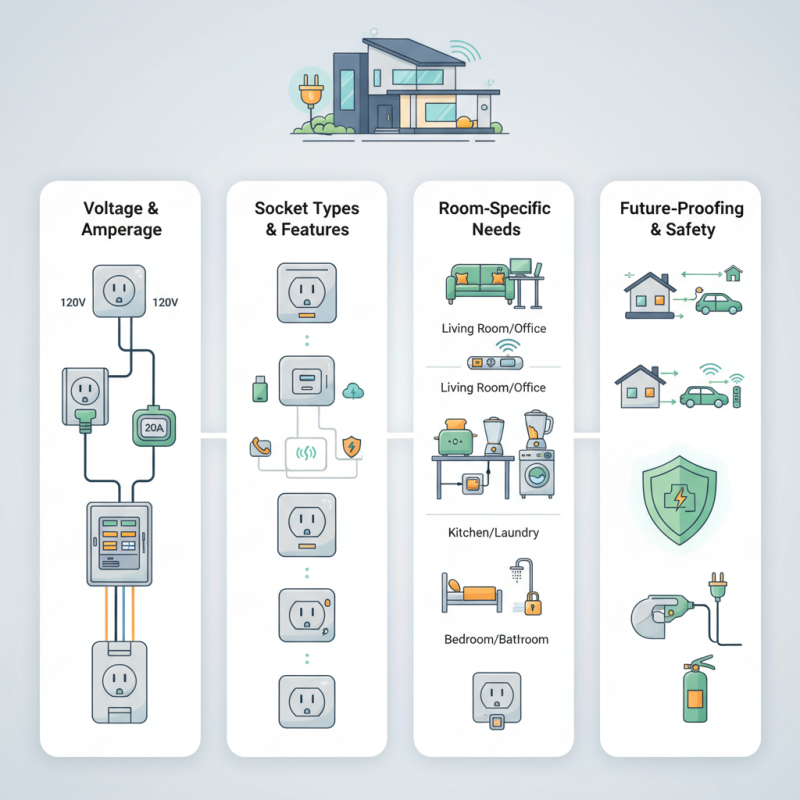
Different Types of Home Sockets and Their Uses
Evaluating Your Electrical Needs for Optimal Socket Selection
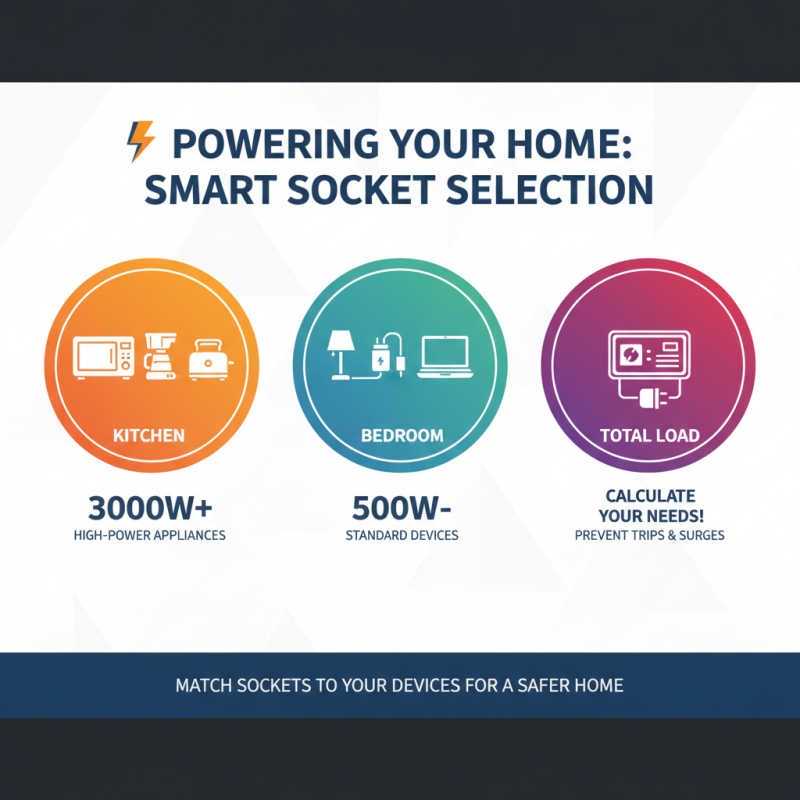
Evaluating your electrical needs is crucial for selecting the right home sockets. Start by assessing the devices you plan to use in each room. For example, a kitchen may require multiple high-power outlets for appliances like microwaves and toasters, while a bedroom may only need standard outlets for lamps and chargers. By cataloging the total wattage of your devices, you can determine the current load and ensure that your sockets can safely handle them without tripping breakers.
Additionally, consider the layout and functionality of each space to maximize convenience and safety. Take note of your room’s design and the location of furniture; this will help you decide where to install sockets to avoid cluttered wires and ensure easy access. Incorporating USB outlets can also be beneficial for modern devices, reducing the need for bulky adapters. Ultimately, a careful evaluation of your electrical needs will guide you in selecting home sockets that enhance functionality and safety throughout your living environment.
Key Features to Look for in High-Quality Home Sockets
When selecting home sockets for your electrical needs, it’s essential to focus on several key features that ensure safety, durability, and functionality. According to a report by the International Electrotechnical Commission (IEC), over 80% of residential fires can be attributed to electrical faults, making it crucial to invest in high-quality sockets designed to reduce risks. Look for sockets with built-in overload protection, which can prevent overheating and potential fire hazards by automatically cutting off the power supply in case of excessive current flow.
Another important feature to consider is the materials used in the construction of the sockets. High-quality sockets typically utilize polycarbonate or thermoplastic materials, which offer superior resistance to heat and impact. A study from the Electric Power Research Institute (EPRI) emphasizes that sockets made from durable materials are less likely to fail, thereby prolonging their lifespan and ensuring reliable performance. Additionally, sockets with child safety features, such as shuttered outlets, can help protect young children from electrical accidents, highlighting the need for safety-focused designs when making your selection.
How to Choose the Best Home Sockets for Your Electrical Needs - Key Features to Look for in High-Quality Home Sockets
| Feature |
Description |
Importance |
| Material Quality |
Sockets made from durable materials resist wear and damage. |
High |
| Amp Rating |
Indicates the maximum amount of current the socket can safely handle. |
Critical |
| Safety Standards |
Complying with local and international safety regulations. |
Essential |
| Single vs. Double Socket |
Choosing between single or double sockets based on appliance need. |
Moderate |
| USB Ports |
In-built USB ports for convenient charging of devices. |
High |
| Surge Protection |
Prevents damage from voltage spikes. |
Critical |
| Design and Aesthetics |
Modern design that complements home interiors. |
Moderate |
| Warranty |
A good warranty indicates quality and reliability. |
High |
Safety Considerations for Installing Home Electrical Sockets
When installing home electrical sockets, safety should be the foremost consideration. According to the National Fire Protection Association (NFPA), electrical failures or malfunctions are responsible for approximately 47,000 home fires reported to U.S. fire departments each year. This underscores the importance of using high-quality sockets that meet local safety standards and regulations.
Opting for sockets with built-in safety features, such as tamper-resistant designs and surge protection, can help mitigate the risk of electrical hazards, protecting both property and lives.
Moreover, proper installation is critical in ensuring the safety and efficiency of electrical sockets. The U.S. Consumer Product Safety Commission (CPSC) emphasizes that over 30% of home electrical fires are due to improper wiring and installation practices. It is recommended to engage a licensed electrician for installation tasks to comply with the National Electrical Code (NEC). Ensuring that the electrical capacity matches the intended use and adhering to guidelines for socket placement can also significantly reduce the likelihood of overloading circuits, which is a common cause of electrical incidents in residential settings.
Comparing Brands and Prices for Value-Effective Socket Choices
When it comes to selecting home sockets, exploring various brands and their pricing structures is crucial for making an informed decision. Different manufacturers offer varied levels of quality, safety features, and durability, which can significantly impact both performance and lifespan. It's essential to consider factors such as the materials used, the socket's electrical rating, and whether it has features like surge protection or child safety mechanisms. Researching the specifications provided by different brands can help you identify those that align best with your requirements.
In addition to evaluating the quality of the sockets, comparing prices across multiple retailers can highlight value-effective options. It's common for the same type of socket to be priced differently based on supplier, so taking the time to shop around can lead to significant savings. Look for promotions, bulk purchase discounts, or even loyalty programs that some retailers may offer. Ultimately, a well-rounded approach that balances quality and price will ensure that you select the best home sockets that not only meet your electrical needs but also fit well within your budget constraints.