How to Choose the Right Solar Inverter for Your Home
When choosing solar inverters, many homeowners feel overwhelmed. The right inverter can significantly impact your solar energy system’s performance. As John Smith, a leading expert in solar technology, states, “The efficiency of solar inverters is crucial for maximizing energy production.” Understanding how solar inverters work is essential for homeowners looking to harness solar power effectively.
Solar inverters convert the direct current (DC) from your solar panels into alternating current (AC) for your home. This technology not only optimizes energy use but also enhances electricity bills savings. Different types of solar inverters are available, each with unique features and benefits. However, selecting the wrong one can lead to wasted energy and increased costs.
Many users find themselves at a crossroads when evaluating their options. Some inverters may lack the necessary features to meet specific household needs. Reflecting on these choices is critical. Making an informed decision about solar inverters requires thorough research and understanding potential limitations. Every detail counts, from efficiency ratings to compatibility with existing systems.
Understanding Solar Inverters and Their Functionality
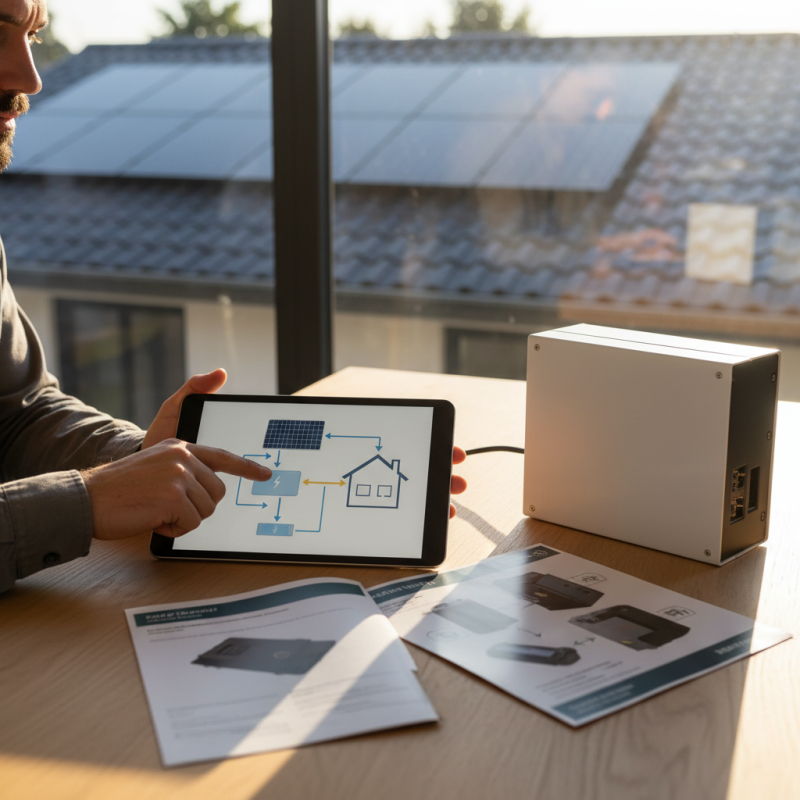
When considering solar inverters, it's essential to understand their core functions. Solar inverters convert the direct current (DC) generated by solar panels into alternating current (AC) for home use. They also optimize energy production and monitor system performance. Well-chosen inverters can significantly impact your solar system's efficiency.
Choosing the right inverter can be challenging. Look for models with high efficiency ratings. Ensure compatibility with your solar panel system. Some inverters offer additional features, like monitoring apps. Consider both your current energy needs and future growth. Flexibility can be crucial as your needs change.
Tips: Always check warranty options. A longer warranty often indicates reliability. Research customer reviews for real-world performance insights. Installation quality is vital; professional installers can help avoid common pitfalls. Regular maintenance can enhance your inverter's lifespan.
Understanding Solar Inverter Efficiency
Types of Solar Inverters: Pros and Cons
When choosing a solar inverter, understanding the different types is crucial. There are three main types: string inverters, microinverters, and power optimizers. Each has distinct advantages and disadvantages.
String inverters are the most common. They are cost-effective and simpler to install. However, shading on one panel can affect the entire system’s performance. According to recent data, they account for about 70% of the market share.
In contrast, microinverters operate on individual panels. This can enhance efficiency, especially in shaded areas. They allow for better monitoring, but are generally more expensive. A recent report indicated that their share is growing, reaching around 20% of the market.
Power optimizers combine both technologies. They maximize the energy output per panel without the high costs of microinverters. Yet, they still rely on a string inverter. This hybrid approach has gained popularity due to its balance of performance and price. Data shows they are now used in 10% of residential installations.
Tips:
- Assess your roof layout. If you have significant shading, microinverters may be worth the investment.
- Consider your budget carefully. Higher initial costs can lead to long-term savings.
- It's essential to analyze your specific needs
before making a decision. Always consult with a professional for tailored advice.
Factors to Consider When Choosing a Solar Inverter
Choosing the right solar inverter for your home involves several key factors. You need to consider the type of inverter that best suits your energy needs. For example, string inverters are common for simple setups. However, if your roof has shading issues, a micro-inverter may be more effective. Each type has its pros and cons, so weigh them carefully.
Next, think about the inverter's capacity. Calculate your energy consumption. Make sure the inverter can handle your peak loads. An undersized inverter might lead to energy losses. Also, pay attention to the inverter's efficiency rating. Not all inverters convert solar energy equally. Higher efficiency means more power for your home.
Durability and warranty are also crucial. Inverters are exposed to varying weather conditions. Choose one that can withstand temperature changes and moisture. A good warranty reflects the manufacturer's confidence in their product. It allows you to feel secure in your investment. Some inverters even have smart features that enhance performance. Reflect on what is essential for your lifestyle and home needs.
How to Choose the Right Solar Inverter for Your Home - Factors to Consider When Choosing a Solar Inverter
| Factor |
Description |
Importance Level |
| Type of Inverter |
String inverters, microinverters, and power optimizers. |
High |
| Efficiency |
How effectively the inverter converts DC to AC. |
High |
| Wattage Capacity |
Total power output the inverter can handle. |
Medium |
| Installation and Compatibility |
Ease of installation with existing solar systems. |
Medium |
| Warranty and Support |
Length of warranty and customer support services offered. |
High |
| Cost |
Initial purchase and installation costs vs. long-term savings. |
High |
Evaluating Efficiency and Performance Ratings
When choosing a solar inverter, efficiency and performance ratings are critical. These factors determine how well the inverter converts sunlight into usable electricity. A higher efficiency rating can significantly affect your energy savings. Look for inverters with ratings above 95%. This means they waste less energy during conversion.
Tips: Assess your energy needs before selecting an inverter. Calculate your household’s average daily energy usage. Match this to the inverter’s capacity. This ensures you won’t overpay for unnecessary power.
Performance ratings also indicate reliability. Check for how the inverter performs under varying conditions. Some models excel in low-light situations, while others may struggle. It’s essential to choose an inverter that adapts well to your local climate.
Tips: Research the manufacturer’s warranty. A good inverter often comes with an extended warranty. This reflects the manufacturer's confidence in their product. Additionally, consider customer reviews to gauge real-world performance. Look for feedback on installation experiences and long-term reliability.
Budgeting for Your Solar Inverter Installation and Maintenance
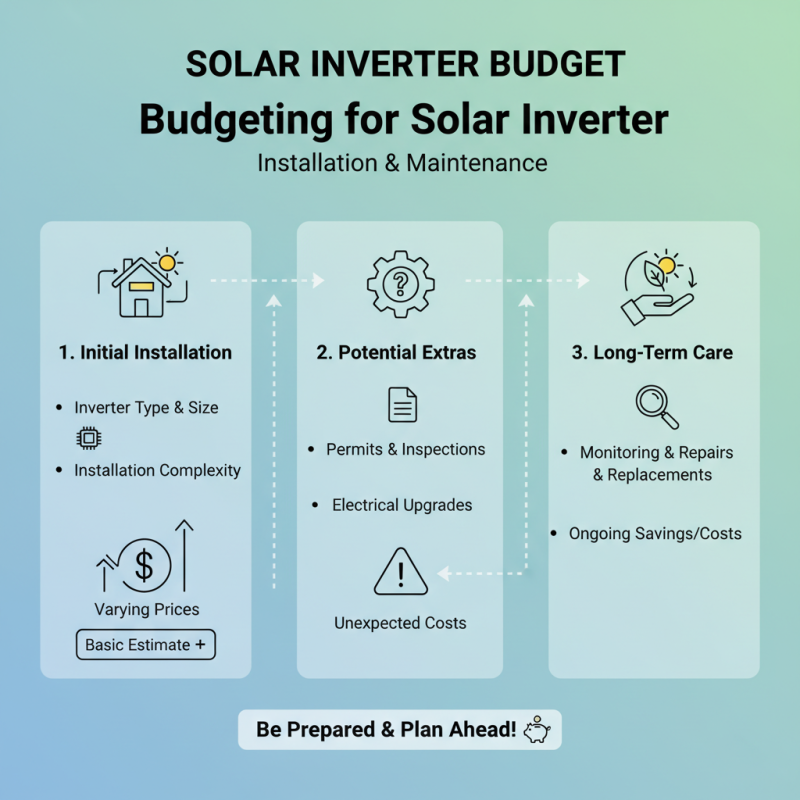
When budgeting for your solar inverter installation and maintenance, several factors come into play. Start by considering the initial installation costs. Prices can vary based on inverter type and installation complexity. A basic estimate helps, but be prepared for unexpected expenses.
Next, factor in ongoing maintenance costs. Regular check-ups ensure your inverter operates efficiently. These checks can catch small issues before they grow into costly repairs. Neglecting maintenance might save money now, but future expenses could far outweigh those savings.
Finally, environmental benefits add another layer of value. While not a direct cost, reducing your carbon footprint may enhance home value. Calculating these potential savings contributes to a well-rounded budget. Tracking all these elements helps ensure a sound financial plan for your solar system, creating peace of mind.