How to Choose the Right Wall Switches for Your Home?
Choosing the right wall switches for your home is essential for both functionality and aesthetics. Wall switches control the flow of electricity to your lighting. They come in various styles, colors, and features, making the selection process a bit overwhelming.
Understanding your needs can guide you in making the right choice. Consider the layout of your rooms and the types of lighting you use. Some switches offer dimming options, while others have smart technology. Each option can enhance your home's ambiance but requires thoughtful decision-making.
Moreover, the quality of wall switches matters. Cheap options may fail quickly or pose safety risks. Investing in reliable, high-quality switches can save future headaches. Reflect on your choices and consult experts as needed. The right wall switches can transform your living space while ensuring safety and efficiency.
Types of Wall Switches Available for Home Use
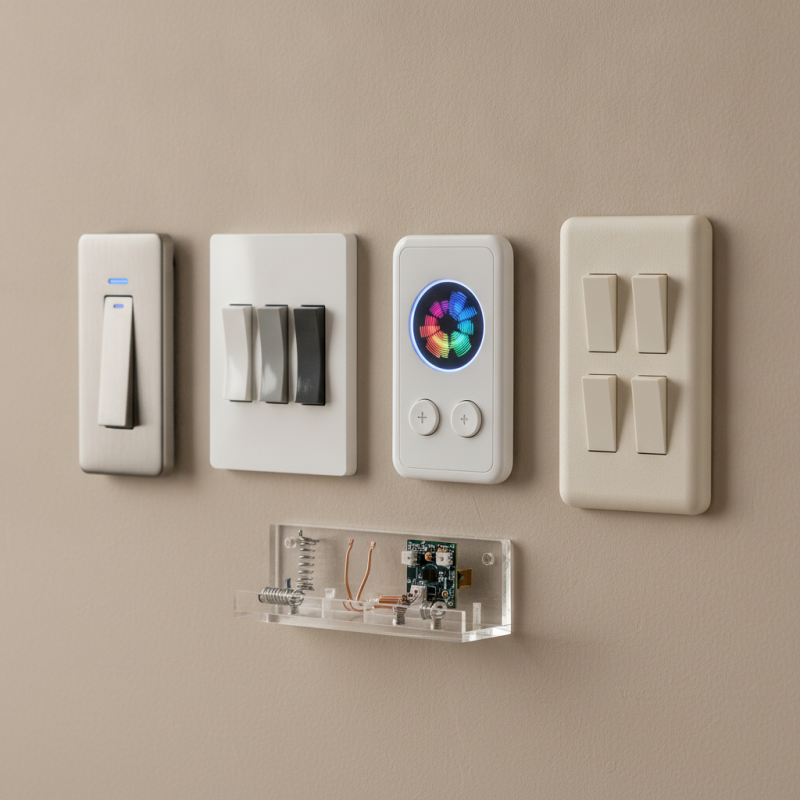
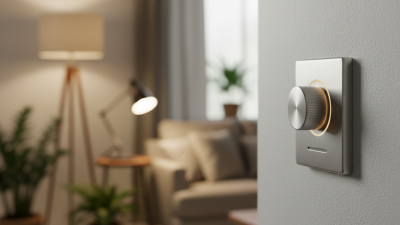
When selecting wall switches for your home, understanding the types available is essential. There are standard toggle switches, dimmer switches, and smart switches. Each offers unique features for various needs. According to a 2022 industry report, over 50% of homeowners prefer dimmer switches for their versatility in controlling ambiance.
Smart switches have gained popularity, too. The same report indicates that around 30% of homeowners have opted for them in recent renovations. These switches can be connected to home automation systems, allowing remote control via smartphones. This introduces convenience but may also pose security risks. Not every smart switch meets high-security standards, and it’s vital to research before installation.
Toggle switches are the most basic option. They are reliable and straightforward, often found in older homes. However, they lack the advanced features of newer models. In many cases, improper installation can lead to functionality issues. Choosing the right type of switch can enhance your daily life. It's worth taking the time to reflect on what you truly need.
Types of Wall Switches Available for Home Use
Factors to Consider When Choosing Wall Switches
When selecting wall switches, consider different factors that impact functionality and aesthetics. The type of switch plays a crucial role. Toggle switches are common, while dimmer switches add versatility. Each option has distinct uses for various settings, like dining rooms or home theaters.
Another factor is compatibility. Ensure the switches work with your existing electrical system. This impacts safety and performance. In some cases, older wiring may not support modern features. Check with an electrician if unsure about compatibility.
Color and design also matter. Wall switches should complement your home’s decor. A sleek finish can enhance a room's overall look. Document your preferences and narrow down choices. Remember, it’s easy to overlook details that seem minor. If you’re not careful, the wrong switch might clash with your design vision.
Energy Efficiency and Sustainability in Wall Switch Selection
When choosing wall switches, energy efficiency is crucial. According to the U.S. Department of Energy, lighting accounts for about 15% of residential energy use. Selecting the right wall switches can significantly reduce this consumption. For instance, dimmer switches can save energy by adjusting the brightness and extending bulb life. A study by the National Renewable Energy Laboratory found that dimmers can reduce lighting energy use by up to 20%.
Sustainability in switch selection also plays a vital role. Look for switches made from recycled materials or sustainable resources. Research indicates that products with eco-friendly certifications can lower environmental impact. However, many consumers overlook this aspect. It’s essential to consider not just initial savings but long-term sustainability. A shift towards more sustainable products is necessary for a better future.
People often underestimate the importance of user habits. Behavioral changes can amplify the benefits of efficient switches. Sometimes, it’s about simple reminders to turn off lights. Smart switches also offer automation and remote control, promoting energy-saving practices. Yet, they may require an upfront investment that not everyone can appreciate immediately. This dilemma of cost versus savings often leads to missed opportunities in energy efficiency.
Design and Aesthetic Considerations for Wall Switches
When selecting wall switches for your home, design and aesthetics play a crucial role. A report from the American Institute of Architects indicates that over 70% of homeowners prioritize aesthetics in their interior design choices. Wall switches, while functional, can also enhance the overall look of a room. They should complement your decor style, whether modern, traditional, or minimalist. The right switch can harmonize with the color palette and materials used in the space.
Consider the material and finish of your wall switches. Stainless steel, plastic, and ceramic options all offer different visual and tactile experiences. A study from Houzz found that 62% of respondents felt that switch plate design significantly impacts their home's appearance. This suggests that subtle details can create a more polished and cohesive feel. Think about textures as well—smooth finishes can lend a contemporary feel, while textured surfaces can add warmth.
Reflect on the size and placement of your switches. Oversized switches may feel clunky in a small room, while tiny ones can be hard to locate. Sometimes the conventional location of switches doesn't work perfectly for the layout of your home. You may find it necessary to reposition switches for better accessibility. Customizing these details can lead to a functional yet stunning result, promoting both ease of use and visual appeal.