How to Choose the Right Solar Hybrid Inverter for Your Home?
Choosing the right Solar Hybrid Inverter for your home can be a daunting task. With various options available, it's easy to feel overwhelmed. Understanding your home’s energy needs is essential. A Solar Hybrid Inverter integrates solar energy with the grid. This helps reduce electricity bills and ensures a backup during outages.
When selecting a Solar Hybrid Inverter, consider efficiency ratings. Not all inverters perform the same. Some models may not meet your energy requirements. It’s crucial to evaluate the inverter's capacity. You don’t want to invest in an underperforming unit. Also, look into the warranty offered. A longer warranty often indicates higher reliability.
Installation details are also significant. Some inverters are easier to install than others. This can affect overall costs. Remember, a good Solar Hybrid Inverter should adapt to future energy needs. Reflecting on your current and future usage will guide you. Finding the right match takes time, but it will yield long-term benefits.
Understanding Solar Hybrid Inverters: Definition and Functionality
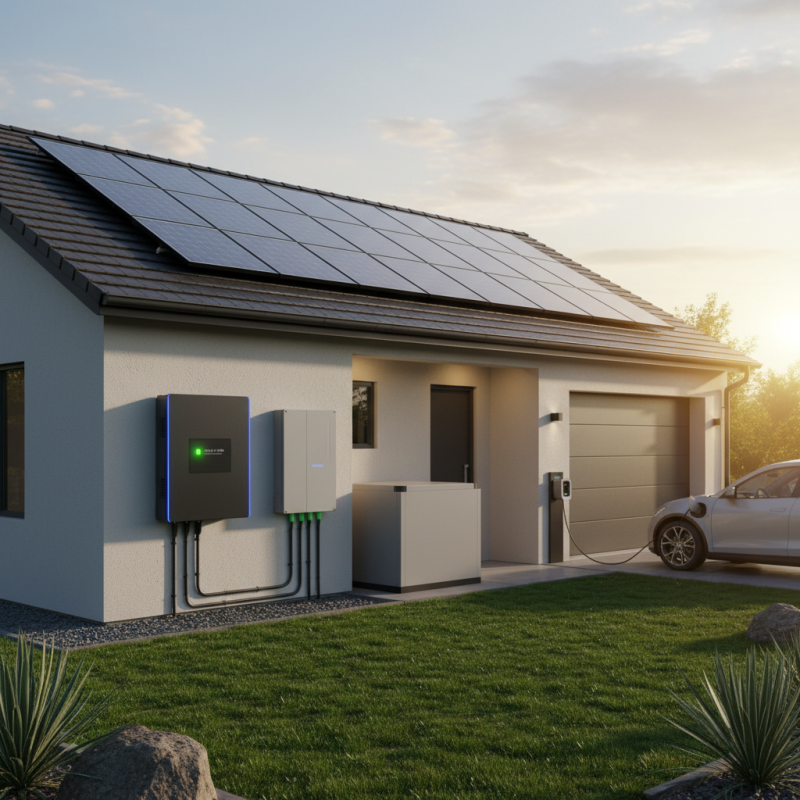
Solar hybrid inverters are essential for modern energy solutions. They combine solar power and battery storage. This technology ensures continuous power supply, even during outages. A solar hybrid inverter intelligently manages energy. It decides whether to use solar energy, battery power, or grid electricity.
Understanding their functionality is key for homeowners. These inverters convert solar energy into usable electricity. They charge batteries while optimizing energy flow. Users can monitor performance via apps. This adds a layer of convenience and control. However, it’s worth noting that not all environments are ideal for this technology. Some homes may struggle with installation due to space constraints or orientation issues.
The efficiency of solar hybrid inverters can vary. Factors such as sunlight availability and system sizing play critical roles. Choosing the right system depends on your specific needs. It’s important to assess your energy consumption patterns. Consider future energy demands as well. This can help in making a more informed decision.
How to Choose the Right Solar Hybrid Inverter for Your Home?
| Feature |
Importance |
Description |
| Power Rating |
High |
The inverter must support your home's energy requirements. |
| Efficiency |
High |
A higher efficiency means less energy loss during conversion. |
| Battery Compatibility |
Medium |
Ensure the inverter is compatible with your battery type. |
| Grid Connection |
High |
Compatibility with the local grid can affect performance. |
| Warranty Period |
Medium |
A longer warranty usually indicates better quality. |
| Monitoring Features |
Low |
Remote monitoring can help in tracking performance, though not essential. |
| Installation Type |
Medium |
Consider whether you prefer a portable or fixed installation. |
Key Factors to Consider When Choosing a Solar Hybrid Inverter
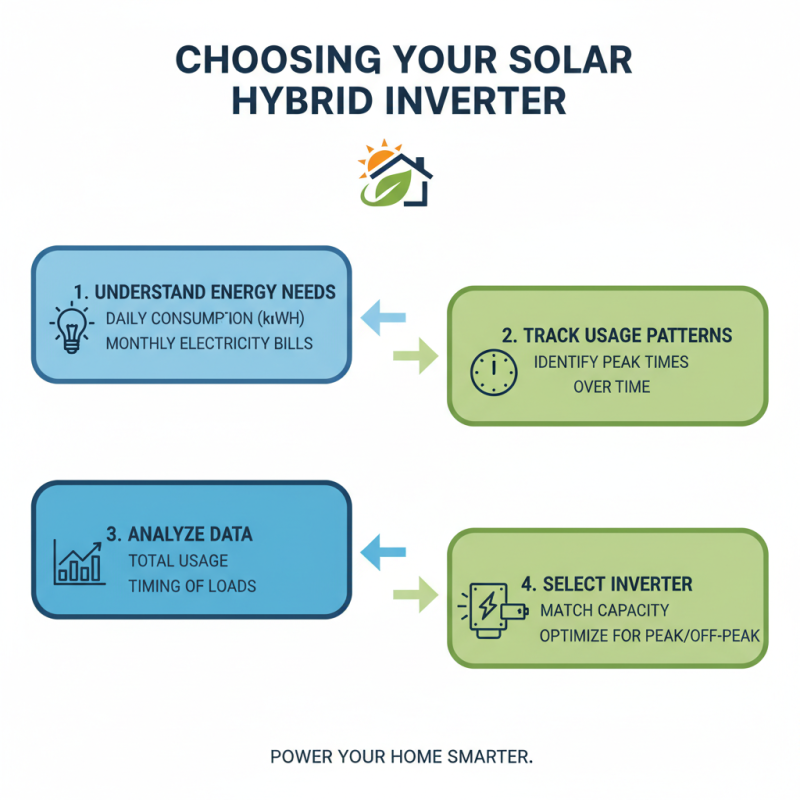
Choosing a solar hybrid inverter can be daunting. You must consider several key factors to make the right decision. One important aspect is your energy needs. Calculate your daily energy consumption to size the inverter accordingly. This helps to ensure efficiency and longevity.
Another factor is the inverter’s compatibility with your existing solar system. Check specifications to confirm that it can handle your solar panel output. Look at the inverter's features, too. Options like smart monitoring can provide real-time insights into energy usage.
Tips: Ensure you consider the warranty provided. A longer warranty often indicates better quality. Additionally, look for inverters that offer scalability. This allows you to expand your system in the future without needing a complete upgrade. Your lifestyle may change, and your energy needs can grow.
Comparing Features: Efficiency, Capacity, and Grid Interaction
When choosing a solar hybrid inverter, efficiency is key. Look for inverters with high efficiency ratings. These ratings show how well the inverter converts solar energy into usable power. Efficiency directly impacts your utility bills. A small difference in efficiency can save you a significant amount over time.
Capacity is another crucial factor. It determines how much power your system can produce. Choose an inverter that matches your energy needs. If it’s undersized, you may not harness all the solar energy available. Over time, underperformance can lead to frustration and wasted potential. Monitoring your energy consumption can provide insights into your capacity needs.
Grid interaction is equally vital. Some inverters can work seamlessly with the grid. This feature allows you to sell excess power back. However, not all inverters handle grid fluctuations well. Research the inverter’s grid interaction capabilities. A poor choice may leave you unprepared during outages. Understanding these features will help you make a more informed decision.
Comparison of Solar Hybrid Inverter Features
Budgeting and Cost Analysis for Solar Hybrid Inverter Options
When budgeting for a solar hybrid inverter, it's critical to consider all potential costs. Inverters vary significantly in price based on size and features. A basic model may seem affordable initially, but additional costs can arise. Installation, maintenance, and potential upgrades should be factored into your total budget. Researching different inverter options can help you make informed choices.
Cost analysis isn't just about the purchase price. Look into incentives and rebates that might apply. They can reduce your upfront costs significantly. However, be cautious; not all promotions are beneficial. Investing time in understanding these programs is essential. You might also need to reflect on financing options. Loans can alleviate immediate financial pressure but may add long-term costs.
It's easy to underestimate the long-term savings from a quality inverter. Cheaper models might lure you in, but they could lead to higher expenses over time. Think about energy efficiency and the lifespan of the inverter. A slightly higher initial investment may offer better value through lower energy bills. Balancing immediate costs with future benefits requires careful thought.