How to Choose the Right Photovoltaic Inverter for Your Solar System?
Choosing the right photovoltaic inverter is crucial for optimizing solar system performance. The inverter is vital for converting solar energy into usable electricity. As global solar power installations reached over 900 GW in 2021, the demand for efficient inverters continues to rise.
A quality photovoltaic inverter can enhance system longevity and energy yield. Reports indicate that up to 20% of a solar system's energy losses come from poor inverter selection. Highlighting the complexities in inverter options, many buyers face challenges in making informed choices.
Consider aspects such as efficiency ratings and compatibility with various solar panels. Choices can seem overwhelming, with many products promising high performance. Yet, some inverters fall short, failing to meet expectations. Reflecting on these factors is essential for making the best investment in solar technology.
Understanding Photovoltaic Inverters and Their Importance in Solar Systems
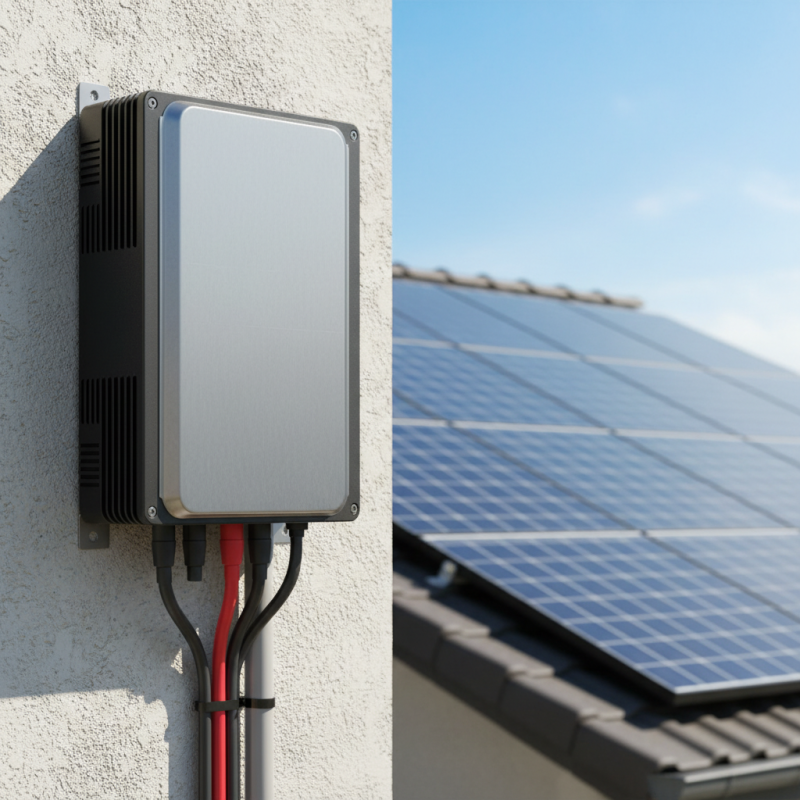
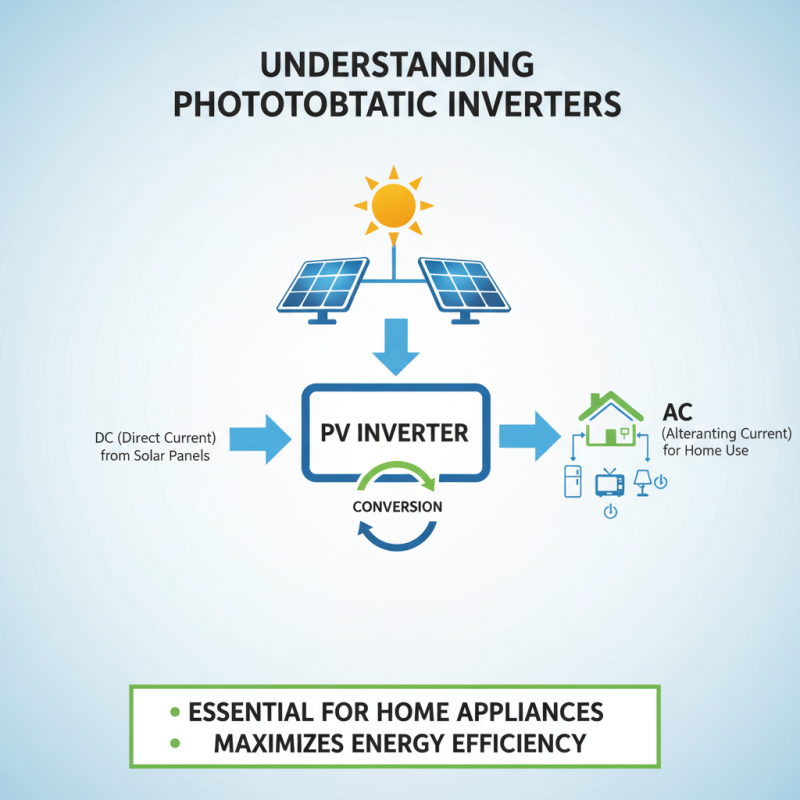
Photovoltaic inverters play a crucial role in solar systems. They convert the direct current (DC) produced by solar panels into alternating current (AC) for household use. Without an inverter, the energy generated by solar panels would remain unusable for most home appliances. This conversion is essential for maximizing energy efficiency.
When choosing an inverter, consider its efficiency rating. Higher efficiency means less energy waste, translating to more savings. Look at features like monitoring capabilities and compatibility with battery systems. Some inverters can even help optimize energy usage depending on demand. However, understanding the specific needs of your solar setup can be challenging. Each installation has unique requirements, and not all inverters will fit perfectly.
Additionally, factors like lifespan and warranty should not be overlooked. It’s important to research the durability of the inverter. Some models may promise longevity but fail in real-world conditions. Inverter technology is evolving, yet not every innovation guarantees better performance. Traditional inverters still hold value in many systems, requiring careful thought about the best option for your home solar project.
Types of Photovoltaic Inverters: String, Micro, and Central Inverters
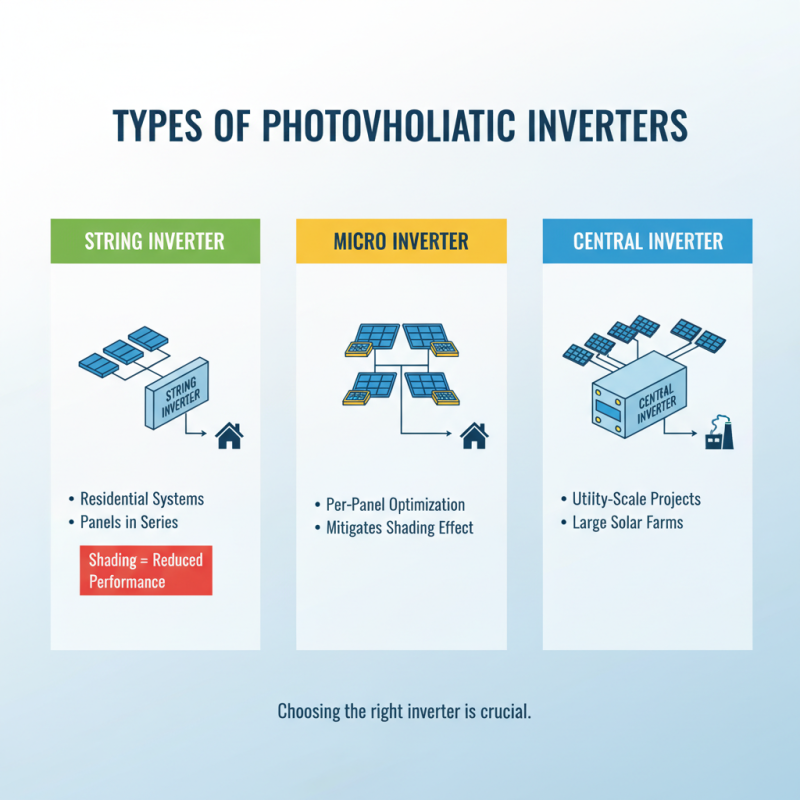
Choosing the right photovoltaic inverter is crucial for your solar setup. There are three main types: string inverters, microinverters, and central inverters. Each serves different needs. String inverters are popular for residential systems. They connect multiple solar panels in series. However, shading on one panel can reduce overall performance.
Microinverters operate on individual panels. They maximize energy production. This reduces the impact of shade. Yet, they can be more expensive, and installation is slightly more complex. On the other hand, central inverters are best for large commercial systems. They manage power from many panels at once. However, they can represent a single point of failure.
Consider your specific conditions and needs. Think about panel orientation, shading, and available space. It’s essential to weigh these factors with inverter efficiency. Sometimes, the choice isn’t clear. Upgrading or switching can be costly down the line. Always reflect on long-term investment versus short-term savings.
Key Features to Consider When Selecting a Photovoltaic Inverter
Choosing the right photovoltaic inverter is vital for ensuring the efficiency of your solar system. When selecting an inverter, consider its efficiency rating. A higher rating means more energy conversion. Look for models with a minimum of 95% efficiency.
Another key feature is the inverter type. There are three main types:
string inverters,
microinverters, and
power optimizers.
String inverters are cost-effective for simple systems. Microinverters work better for complex installations with varying roof angles. Power optimizers offer a middle ground, boosting performance while keeping costs reasonable.
Tips: Think about future expansions. If you plan to add more panels, select an inverter that can handle the extra load. Also, consider the manufacturer's warranty. A longer warranty often reflects the inverter's reliability. Frequent maintenance can be a hassle, so reliability is essential. Don't overlook these details; they can save you from problems later on.
Assessing Compatibility with Your Solar Panel System and Other Components
Selecting the right photovoltaic inverter hinges significantly on its compatibility with your solar panel system and associated components. According to the Solar Energy Industries Association (SEIA), mismatched components can lead to inefficiencies, reducing energy output by up to 20%. It's crucial to ensure the inverter matches your solar panels' voltage and wattage ratings. For example, if your panels are rated at 300 watts, the inverter should handle this capacity well.
Additionally, consider the inverter's efficiency rating. Most modern inverters boast efficiencies of 95% or higher. However, factors like temperature and installation can impact performance. A recent report from the National Renewable Energy Laboratory (NREL) suggests that suboptimal installation practices can lower inverter performance by as much as 10%. Pay attention to environmental conditions, as inverters can overheat and cause energy losses, particularly in hotter climates.
Moreover, don't overlook the potential need for future expansion. If you plan to add more solar panels later, select an inverter that can accommodate this growth. Flexibility is key in solar systems. Many users mark this as a learning curve, often realizing too late the limitations of their initial choices. Always ensure that your components work in harmony to harness the fullest potential of solar energy.
Evaluating Efficiency Ratings and Smart Technology Options in Inverters
When choosing a photovoltaic inverter, efficiency ratings are crucial. Studies show that high-efficiency inverters can reach up to 98%. This means less energy is wasted and more is converted into usable electricity. A slight difference in efficiency can significantly impact energy production over the inverter's lifespan. For instance, an inverter with 97% efficiency might lead to a loss of $200 in energy production over a year compared to a 98% model.
Smart technology options in inverters are becoming essential. Features like real-time monitoring and remote management enhance system performance. Reports indicate that inverters with integrated monitoring can improve overall efficiency by 10%. However, these smart technologies often come at a higher upfront cost. Homeowners must weigh their budget against potential long-term savings. Not all users need advanced features; some may find them excessive or complicated.
Moreover, inverter reliability should not be overlooked. Even the most efficient models can underperform with poor installation or environmental factors. Understanding local conditions is vital. Some regions experience extreme temperatures which can affect inverter performance and lifespan. Users should consider both operational efficiency and local climate when making a choice. Hence, the right inverter goes beyond its efficiency rating; it’s about balancing features, reliability, and local influences.