How to Choose the Right Grid Tie Inverter for Your Solar System?
Choosing the right Grid Tie Inverter for your solar system is crucial. It can greatly impact energy production and efficiency. A suitable inverter helps convert solar energy into usable electricity for your home or business. Making the right choice can be overwhelming, given many options available.
Understanding your needs is essential. Consider system size, efficiency, and budget. Not all inverters are created equal. Some might not fit your specific requirements. Research and compare different models. Factors like warranty and customer support also play a role.
Reflecting on these aspects will help you make informed decisions. You might find yourself regretting a hasty choice. Take your time in evaluating options. Remember, a well-chosen Grid Tie Inverter can considerably enhance your solar system's performance and longevity.
Understanding the Basics of Grid Tie Inverters in Solar Systems
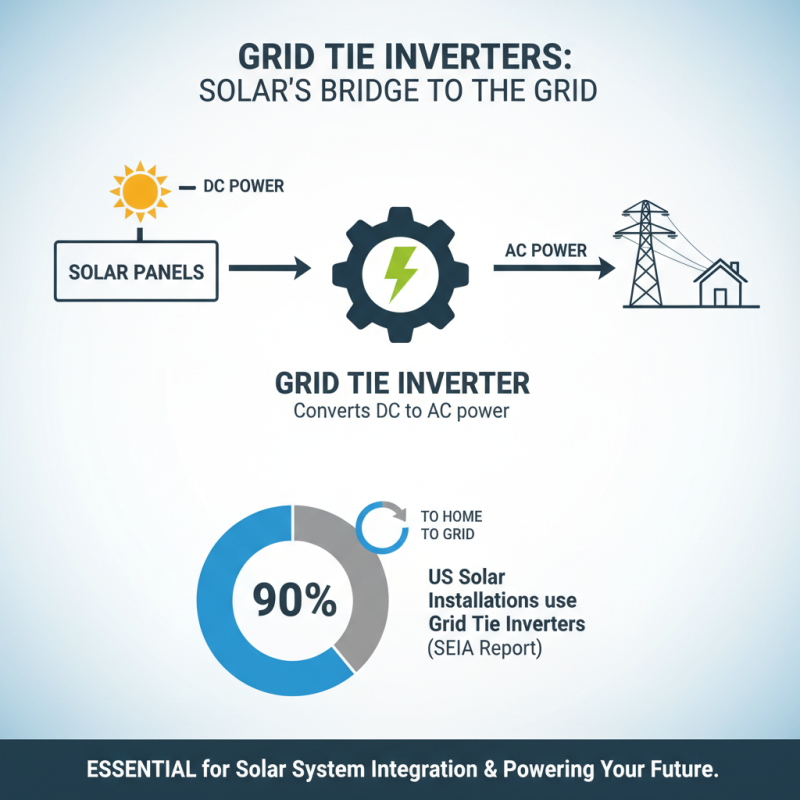
Grid tie inverters play a crucial role in solar systems. They convert the direct current (DC) generated by solar panels into alternating current (AC). This allows the power to be fed into the electrical grid. According to a recent report by the Solar Energy Industries Association, about 90% of solar installations in the U.S. use grid tie inverters. The growing adoption highlights their importance.
When selecting an inverter, several factors should be considered. Efficiency is one critical element. High-efficiency models can reach over 98%. This means less energy loss during the conversion process. Additionally, you should look at the inverter's capacity. It needs to match your solar array output. Many installations face challenges here, leading to underperformance or overloading.
Connection to the grid can also introduce complexities. Some areas have specific regulations for inverter installations. Understanding local policies is vital. Yet, many homeowners overlook this, resulting in compliance issues. Energy monitoring features are another aspect. These can help track performance and identify problems. However, some users find these tools confusing or unnecessary. Simple choices can often lead to more significant challenges down the line.
Key Factors to Consider When Selecting a Grid Tie Inverter
Choosing the right grid tie inverter is crucial for your solar system. A few key factors can guide your decision. The inverter's efficiency rating is important. Higher efficiency means better energy conversion. Look for inverters in the 95-98% range. This can significantly impact your energy output.
Next, consider the inverter's power rating. It should match or exceed your solar panel output. Underpowering leads to wasted energy. Lack of adequate power can result in financial losses. Also, think about the warranty period. A longer warranty usually indicates reliability. But why is that? It reflects confidence in the product.
Lastly, always check installation requirements. Some inverters can be complex to install. Ensure you are prepared for that. Keep in mind your budget. Prices vary greatly among models. Sometimes, cheaper options come with hidden costs. Reflecting on these factors can help you make a more informed choice, ultimately enhancing your solar experience.
Evaluating Inverter Efficiency and Performance Ratings
When evaluating inverter efficiency, consider the performance ratings that influence energy output. Efficiency ratings often range from 90% to 98%. A higher efficiency means less energy loss during conversion. Reports indicate that every percentage point of efficiency can lead to significant annual savings. For instance, a system generating 10,000 kWh annually will lose about 100 kWh per year with a 1% lower efficiency.
Performance ratings also include temperature coefficients. High temperatures can reduce inverter output. A temperature coefficient of -0.3% per degree Celsius is common. In areas with high ambient temperatures, this factor can cause performance issues. Moreover, consider the inverter's rated maximum output versus its continuous output. Selecting an inverter that can handle peaks without overloading is crucial.
Beyond numbers, reflect on the inverter's long-term performance. Look for warranties that guarantee efficiency over time. Many inverters may degrade faster than expected. Thus, regular monitoring of performance becomes essential. Poor performance may go unnoticed until energy bills increase. An efficient inverter not only maximizes energy output but also provides peace of mind. Balance upfront costs and potential long-term gains carefully.
Comparing Different Types of Grid Tie Inverters on the Market
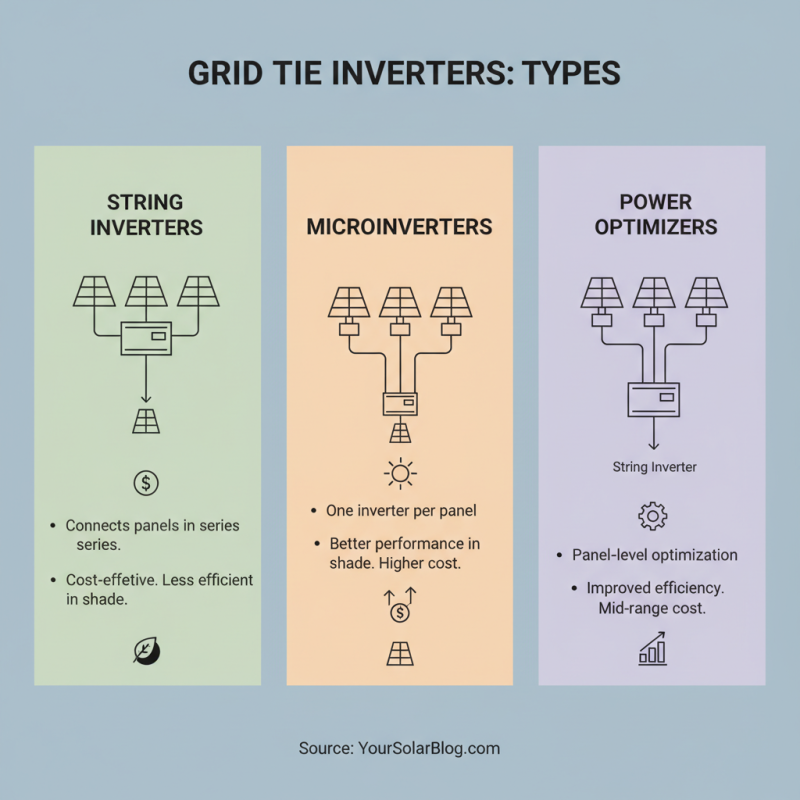
When choosing a grid tie inverter for your solar system, it's essential to understand the types available. There are string inverters, microinverters, and power optimizers. Each has unique features and benefits. String inverters connect multiple panels in series, which can be cost-effective. However, they can be less efficient in shaded areas. Microinverters work on individual panels, allowing for better performance in varied conditions. But they can be more expensive upfront.
Power optimizers are a hybrid option. They enhance panel performance while connecting to a string inverter. This choice may seem appealing, but it can complicate installation. The right choice depends on your solar setup and budget. You may face challenges regarding space and installation costs. Think about where your panels will be placed. If shading is an issue, microinverters or optimizers might be necessary. It's not always a clear path to follow. Every option has its pros and cons. Make sure to weigh them carefully before making a decision.
Integration with Your Existing Solar Power Setup and Requirements
Choosing the right grid tie inverter is crucial for your solar system. You need to consider how it integrates with your existing setup. Take a close look at your solar panels. Are they compatible with the inverter’s specifications? Mismatched systems can lead to inefficiencies.
Installation is another key aspect. Think about space and existing connections. Can the inverter fit neatly into your setup? Also, consider the electrical requirements. Overloading can cause damage. It’s essential to ensure your system can handle the power output safely.
Don’t forget to evaluate the future needs. As energy demands change, your inverter should adapt. Are you planning to expand your solar capacity? Knowing this can influence your choice. Reflect on your goals, and make a decision that suits your long-term vision. It’s not just about today, but about sustainable energy tomorrow.
How to Choose the Right Grid Tie Inverter for Your Solar System?
| Inverter Type |
Power Rating (W) |
Number of Strings |
Efficiency (%) |
Warranty (Years) |
Weight (kg) |
| String Inverter |
5000 |
1 |
97 |
5 |
15 |
| Micro Inverter |
300 |
1 |
95 |
10 |
1.5 |
| Power Optimizer |
250 |
1 |
96 |
10 |
2 |
| Three-Phase Inverter |
10000 |
3 |
98 |
7 |
20 |
| Hybrid Inverter |
6000 |
2 |
97 |
10 |
18 |