How to Choose the Best Home Sockets for Your Electrical Needs
Choosing the right home sockets is essential for ensuring the safety and efficiency of your electrical system. Home sockets serve as the access points for electricity, allowing you to power a wide array of devices and appliances that are integral to modern living. However, with numerous options available on the market, selecting the best home sockets for your specific needs can be a daunting task. Factors such as compatibility, safety features, and usability should be carefully considered to ensure that your home is not only functional but also secure.
When determining the ideal home sockets for your electrical needs, it's important to assess the types of devices you will be using and their power requirements. Understanding the varying socket types and configurations can significantly impact your daily life, as mismatched sockets can lead to inconvenience or even hazards. Moreover, future-proofing your choice by selecting sockets that accommodate evolving technology can save both money and effort down the line. By carefully evaluating these factors, you can create an electrical environment that is tailored to your lifestyle while maintaining safety at its core.

Understanding Electrical Load Requirements for Home Sockets
When choosing home sockets, it's essential to understand the electrical load requirements specific to your household. Electrical load refers to the total amount of power used by all devices connected to a circuit. Each socket is rated for a specific load, typically measured in watts. To determine your needs, start by listing all the appliances you intend to use and their respective power ratings. This will help you calculate the total load and ensure that your sockets can support it without risking overload.
In addition to calculating load requirements, consider the type of devices you will frequently use. For example, high-power appliances like microwaves, refrigerators, or air conditioners require sockets that can handle increased demand. Using sockets that match or exceed this load rating ensures safety and functionality. Furthermore, consider the layout of your home and where these devices will be positioned. Planning socket placements accordingly will optimize usage, reduce the need for extension cords, and enhance overall safety in your living space.
Types of Home Sockets: A Comprehensive Overview and Best Practices
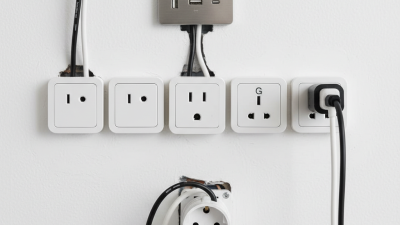
When selecting home sockets, it is crucial to understand the different types available to meet your electrical needs effectively. The most common socket types include standard wall sockets, which are versatile and suitable for everyday appliances, and specialized sockets, such as those designed for high-power devices like air conditioners or washing machines. Additionally, USB sockets are increasingly popular for charging mobile devices without the need for adapters, reflecting the growing demand for convenience in modern homes.
Best practices for installing and using home sockets begin with ensuring that the correct type is chosen based on the appliance's voltage and current requirements. It's essential to consider the layout of your home; for instance, positioning sockets near frequently used areas can enhance accessibility and reduce the risk of overloads. Furthermore, incorporating safety features like surge protectors can help safeguard electronic devices from voltage spikes. Regular maintenance and inspections of sockets are also advisable to detect any wear and tear, ensuring a safe environment for all household members.
Types of Home Sockets and Their Popularity
Choosing the Right Socket Material: Durability vs. Aesthetics
When selecting home sockets, the choice of materials can significantly impact both durability and aesthetics. For homeowners, understanding the balance between these two factors is crucial. Durable materials like high-grade plastic or metal can withstand the wear and tear of daily use, ensuring longevity in a busy household. However, these options may lack the visual appeal that some homeowners desire. On the other hand, sockets designed for aesthetic appeal often prioritize style over durability, which can lead to a need for more frequent replacements.
Tips: Consider the overall design of your home when choosing socket materials. If your interior features a sleek, modern aesthetic, opting for glossy finishes or unique shapes can enhance visual interest. However, ensure that the chosen materials meet safety standards and are suitable for your electrical demands.
Furthermore, it’s essential to evaluate the location of the sockets. Sockets in high-traffic areas or in rooms prone to moisture, like kitchens and bathrooms, should prioritize durability. Utilizing weather-resistant materials can prevent issues in these environments while still allowing for a tasteful finish that complements your home décor. Balancing form and function is key to making an informed decision that meets both practical and visual needs.
Safety Standards: Importance of UL and CE Certification in Socket Selection
When selecting home sockets, the significance of safety certifications cannot be overstated. UL (Underwriters Laboratories) and CE (Conformité Européenne) certifications are crucial indicators of product safety and performance. According to a report by the International Electrotechnical Commission (IEC), over 4,000 electrical fires occur annually due to faulty wiring and non-compliant electrical products. Homeowners should prioritize sockets that carry these certifications, as they ensure adherence to rigorous safety standards, reducing the risk of electrical hazards.
Tips for choosing sockets include checking for certifications on packaging and product descriptions. Research indicates that sockets with UL certification can lower the risk of electrical failures by up to 50% compared to non-certified alternatives. Moreover, CE certification confirms compliance with European health, safety, and environmental standards, providing an added layer of assurance for consumers.
Additionally, consider the voltage rating and compatibility of the sockets with your appliances. A study by the Electrical Safety Foundation International (ESFI) reveals that improper socket usage accounts for nearly 15% of residential electrical incidents. Ensuring that your sockets are compatible with your electrical needs can prevent potential safety issues and enhance the longevity of your devices.
Future-Proofing Your Home: Smart Socket Options for Modern Needs
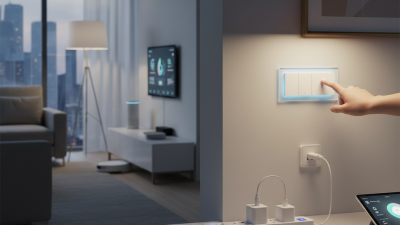
When selecting home sockets, it's essential to consider the future-proofing capabilities that smart socket options provide for modern needs. According to a recent report by industry analysts, the global smart home market is projected to reach $174 billion by 2025, which highlights the increasing importance of integrating technology into our living spaces. Smart sockets not only allow for seamless control of devices through applications but also support energy management by monitoring usage patterns. This level of control and insight can lead to reduced energy bills, as homeowners can make informed decisions about their energy consumption.
Moreover, the flexibility of smart sockets accommodates evolving electrical needs. For instance, many models now feature USB ports for charging devices directly, catering to the growing trend of mobile technology. Research indicates that by 2024, there will be over 4 billion active smart devices in use globally, emphasizing the necessity for adaptable electrical outlets. Implementing smart sockets with features like scheduling and remote access can significantly enhance the convenience and efficiency of household energy management, ensuring homes are prepared for the technological demands of the future.