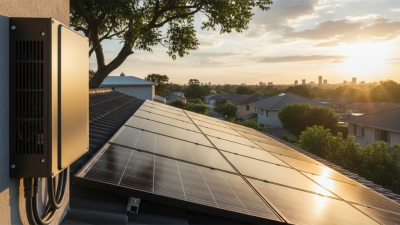
Why Choose the Right Energy Inverter for Your Needs?
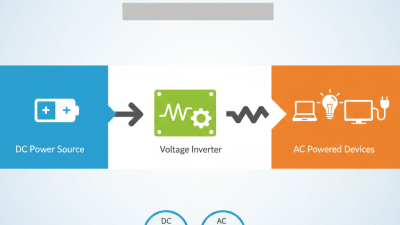
Selecting the appropriate Energy Inverter can significantly impact your energy needs. An Energy Inverter converts direct current (DC) into alternating current (AC). This function is crucial for solar power systems, batteries, and more. Choosing the right model affects efficiency and performance.
Many factors influence your choice. The inverter’s capacity should match your energy consumption. Size matters; a small inverter may not handle peak loads. Consult with experts to find tailored solutions. This ensures reliability and sustainability.
Misunderstandings often arise about inverter features. Some may overlook crucial specifications. It's essential to understand waveforms and durability. An inverter's longevity and warranty are vital. If unsure, seek advice. Mistakes in choosing can lead to future regrets. Investing time in research pays off in energy savings.
Understanding the Basics of Energy Inverters
Energy inverters play a crucial role in converting direct current (DC) to alternating current (AC). Understanding their basics can simplify the selection process. They vary in types, sizes, and capacities. For residential solar systems, a small inverter might suffice. Commercial setups typically need larger, more robust models.
Efficiency ratings differ as well. Higher efficiency translates to better energy use and lower electricity bills. Some inverters offer additional features like monitoring apps. Such tools enhance user experience and facilitate real-time tracking. Remember to consider installation complexity. A complicated setup may lead to more issues down the line.
Choosing an inverter isn’t always straightforward. Environmental factors can impact inverter performance. For instance, extreme temperatures can affect efficiency. Reflecting on your specific energy needs will guide your decision. It’s vital to seek reliable information and, if necessary, consult an expert. Testing various models might reveal unexpected performance variations. This exploration can ultimately lead to a more informed choice.
Types of Energy Inverters and Their Applications
Choosing the right energy inverter is crucial for maximizing efficiency. There are various types of energy inverters available, each serving specific functions.
One common type is the pure sine wave inverter. Ideal for sensitive electronics, this inverter provides smooth and consistent power. According to industry reports, a pure sine wave inverter can increase the lifespan of devices by up to 50%. On the other hand, modified sine wave inverters are more cost-effective but may not be suitable for all devices. Opt for this type for simpler, less sensitive electronics.
Tip: Assess your power needs before purchasing. Calculate the wattage of all devices you plan to use. This measurement helps ensure your inverter can handle the load.
Another type includes grid-tied inverters, often used in solar applications. They connect directly to the utility grid. Reports show that these systems can significantly reduce energy costs, especially in sunny regions. However, they may not provide backup power during outages.
Tip: Consider your location and energy needs when choosing an inverter type. Understanding your power consumption can prevent future disappointments.
Investing time in understanding these types and their applications can lead to better energy management. Carefully evaluate your options to make informed decisions that cater to your specific needs.
Key Factors to Consider When Choosing an Inverter
When choosing an energy inverter, several key factors come into play. The power rating is critical. It determines how much load you can support. Most household appliances require an inverter with a capacity of at least 1000 watts. For instance, refrigerators may need 2000 watts to start. Understanding your specific power needs helps avoid overloading.
Efficiency is another essential aspect. A high-efficiency inverter converts more energy from your power source. Data indicates that inverters with over 90% efficiency save users up to 15% on electricity costs. Look for models that offer features like MPPT (Maximum Power Point Tracking). These advanced technologies optimize performance, especially in solar systems. However, not all systems require high-end features. Some may end up being unnecessary for your needs.
Finally, consider the inverter's reliability. Look for models with a track record of performance. Research reports show that inverters with consistent warranties of 5 years or more generally ensure durability. User reviews often reflect long-term reliability. Always assess your unique situation. The perfect inverter for one home might not suit another. Balancing your requirements with these factors is crucial.
Assessing Your Energy Requirements and System Compatibility
When selecting an energy inverter, assessing your energy requirements and system compatibility is crucial. Start by calculating your daily energy consumption. According to the U.S. Department of Energy, the average American household uses about 877 kWh per month. This figure can guide you in determining what size inverter you'll need. A mismatch between your energy demand and inverter capacity can lead to inefficiencies or even system failures.
It's also essential to ensure compatibility with your solar panels or battery systems. Inverters come in various types, including string inverters and microinverters. Each serves different setups. For instance, if you have a shaded roof, microinverters may optimize output better than traditional string inverters. Review technical specifications to confirm compatibility.
Tip: Assess peak energy requirements during your highest usage hours. This will help you choose an inverter that can handle fluctuations without overloading.
Realize that even the most suited inverter may fall short if it doesn't meet future needs. Consider potential changes in energy usage, such as adding appliances or expanding systems. Investing time in these assessments can enhance reliability and performance, ensuring your energy needs are effectively met.
Energy Inverter Efficiency Ratings Based on Power Output
Cost Implications and Long-Term Benefits of the Right Inverter
Choosing the right energy inverter is critical for financial sustainability. A recent industry report indicated that high-quality inverters could save consumers up to 30% on energy costs over a decade. These savings often outweigh the initial investment.
Inversely, a poor choice can lead to inefficiencies. Some cheaper inverters may only last a few years, leading to replacement costs and decreased energy output. Inverters are not just equipment; they significantly affect long-term financial health and energy management.
Investing in the appropriate inverter can also enhance system performance. A study showed that optimal inverters could boost energy output by up to 15%. This figure emphasizes the need for well-researched selections. It's clear that while initial costs are important, the long-term advantages of choosing the right inverter make it a crucial decision. Missing this point can lead to unnecessary regrets and extra expenses.