Why Choose the Right Breaker Switch for Your Needs?
Choosing the right breaker switch is crucial for any electrical system. A breaker switch protects your home and equipment from electrical faults. It ensures safety and efficiency in your daily operations.
Understanding your needs can be challenging. Breaker switches come in various types, sizes, and ratings. Each has its applications and limitations. Therefore, making an informed choice requires research and expertise. You may wonder what factors to prioritize.
Quality matters in electrical components. A reliable breaker switch can prevent hazards. It can also save you from costly repairs. When selecting a breaker switch, consider your specific requirements. Reflect on the features that align with your objectives.
Understanding Breaker Switch Basics and Their Functions
Breaker switches are essential components in electrical systems. They help manage the flow of electricity and protect circuits from overloads. Understanding their basics ensures you select the right one for your specific needs.
A breaker switch functions by interrupting the electrical current when it surpasses a set threshold. This prevents overheating and potential fire hazards. Different types exist, like single-pole or double-pole breakers, each serving unique purposes. People often overlook the specifications, leading to mismatches in their applications. Size and capacity are critical to ensure safety and efficiency.
While it may seem straightforward, choosing the right breaker requires careful thought. Consider the voltage and current needs of your system. Improper choices can lead to system failures or dangerous situations. Reflecting on past experiences with circuit malfunctions can inform better decisions. Pay attention to details and consult with professionals when in doubt.
Understanding Breaker Switch Types and Their Popularity
This bar chart illustrates the popularity of different types of breaker switches, highlighting the most common options used in residential and commercial applications. Choosing the right breaker switch is crucial for safety and efficiency in electrical installations.
Different Types of Breaker Switches and Their Applications
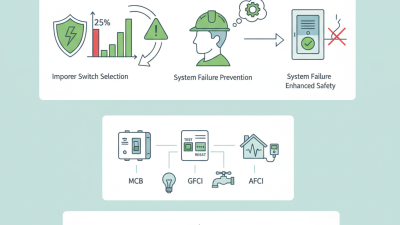
Breaker switches play a crucial role in electrical systems by providing safety and control. Different types serve various functions. For residential use, standard single-pole and double-pole breakers manage circuits effectively. According to the National Electrical Code (NEC), over 60% of home electrical issues stem from improper breaker choices.
In commercial applications, three-phase breakers are common. They ensure balanced loads and improved efficiency. A report from the International Energy Agency indicates that energy-efficient breaker switches can reduce electricity consumption by up to 20%. This highlights the importance of choosing the right breaker for your specific needs.
Tips: Always consult with a licensed electrician before making changes. Consider current ratings and load requirements. It’s easy to overlook the importance of compatibility with existing systems. Reflect on how frequently you experience outages or tripped breakers; this might signal a need for reassessment.
Key Factors to Consider When Choosing a Breaker Switch
When selecting a breaker switch, several key factors warrant consideration. The amperage rating is crucial, as it ensures the device can handle the electrical load. Data from the National Electrical Manufacturers Association (NEMA) suggests that overloading is a common failure cause, leading to equipment damage. Ensuring the right amperage can prevent costly repairs. Understanding voltage ratings and compatibility with existing systems is also essential. Mismatched voltage can lead to malfunction and safety hazards.
Another important aspect is the type of circuit. For example, a single-pole breaker is adequate for standard circuits, while a double-pole breaker is necessary for high-voltage applications. The National Fire Protection Association (NFPA) reported that improper circuit choices contribute significantly to electrical fires. Consider the location too. Outdoor breakers must be weather-resistant, while indoor ones may require unique features for safety.
Tips: Regular inspections of breaker switches can prevent failure. Check for signs of wear or overheating. Also, consult electrical codes relevant to your region. They often provide specific guidelines for breaker selection, enhancing safety and compliance. Remember, the cheapest option isn’t always the best. Investing in quality can save money long-term.
Why Choose the Right Breaker Switch for Your Needs? - Key Factors to Consider When Choosing a Breaker Switch
| Factor |
Description |
Importance |
Examples |
| Voltage Rating |
Ensures the switch can handle the required voltage without failure. |
High |
120V, 240V, 480V |
| Current Rating |
Indicates the maximum current the switch can safely interrupt. |
High |
15A, 30A, 60A |
| Type of Switch |
Determines application suitability (e.g., single pole, double pole). |
Medium |
Single pole, Double pole, Ground fault |
| Mounting Style |
Influences installation location and space management. |
Low |
Panel mount, DIN rail |
| Environmental Rating |
Indicates the degree of protection against elements like dust and moisture. |
High |
IP20, IP67 |
Common Misconceptions About Breaker Switch Selection
Choosing the right breaker switch is crucial, yet misconceptions remain prevalent. One major misunderstanding is that all breaker switches are interchangeable. In reality, different applications require different specifications. A report from the National Electrical Manufacturers Association (NEMA) states that improper selection can lead to increased risks of electrical fires and system failures.
Many assume that higher amperage always means better performance. This is misleading. Selecting a breaker with an amperage that's too high may overlook crucial safety considerations. Data shows that 30% of electrical failures arise from using inadequately rated breakers. Matching the breaker to your load requirements can enhance system reliability and safety.
**Tips:** Evaluate your electrical load carefully. Consult with a qualified electrician for guidance on specific application needs. Choosing the correct breaker can extend the lifespan of your electrical system. Additionally, remember that manufacturers provide detailed specifications and testing reports. Rely on those resources to inform your decision for safety and efficiency.
Maintenance Tips for Ensuring Breaker Switch Longevity
Maintaining a breaker switch is more important than many realize. Regular inspections can prevent failures. Look for signs of wear, such as discoloration or unusual noises. These can indicate the need for replacement or repair. Visual checks can be done monthly.
Next, ensure the area around the breaker is clean. Dust and debris can interfere with performance. A simple wipe can enhance operation. Remember to keep connections tight. Loose wires can lead to overheating, which shortens longevity.
Consider the environment as well. High humidity or extreme temperatures can affect breaker switches. Applying protective covers can extend lifespan. Regular maintenance schedules may not seem crucial, but neglect can lead to costly repairs. Attention to detail will benefit in the long run.