2025 How to Choose the Best Wall Sockets for Your Home Electrical Needs
In today's technologically-driven world, the significance of selecting the right wall sockets for our homes cannot be overstated. Wall sockets serve as the pivotal connection between our electrical systems and the myriad devices we rely on daily. According to a recent market study by Research and Markets, the global electrical sockets market is expected to grow significantly, reflecting an increasing reliance on versatile electrical solutions. This growing demand highlights the necessity for consumers to be well-informed about the various types of wall sockets available and their specific applications.
Moreover, as energy efficiency becomes an essential focus in modern home design, the choice of wall sockets plays a crucial role in optimizing power consumption. The International Energy Agency (IEA) reports that residential buildings account for approximately 30% of global electricity demand, underscoring the impact that smart choices in electrical installations, including wall sockets, can have on reducing overall consumption. By understanding the different types of wall sockets and their features, homeowners can ensure safety, functionality, and efficiency tailored to their electrical needs. This article aims to provide insight into how to choose the best wall sockets, aligning with contemporary energy efficiency standards and improving overall home electrical management.
Understanding the Importance of Wall Sockets in Home Electrical Systems
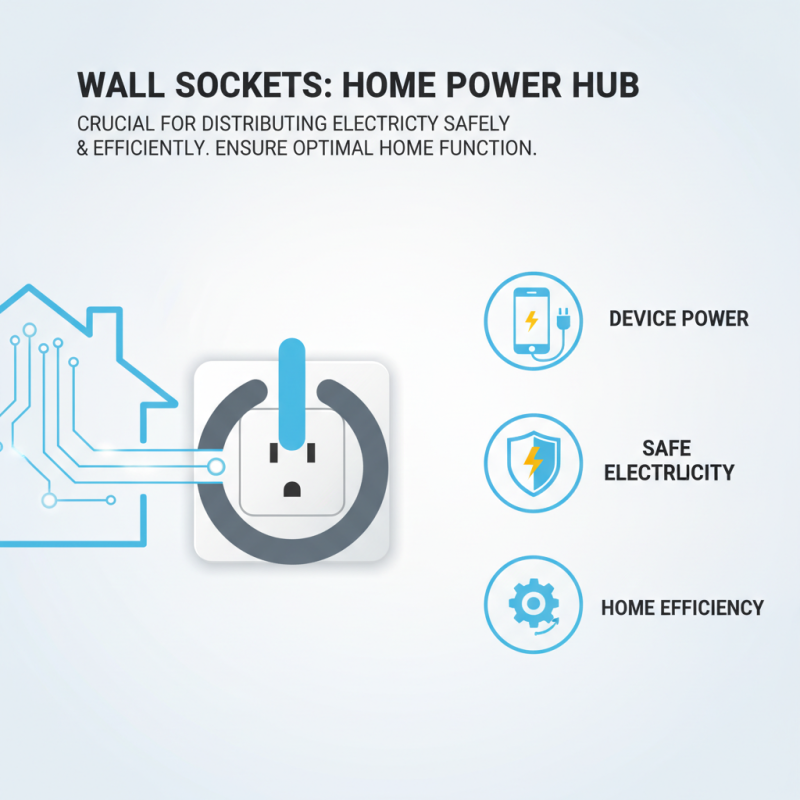
Wall sockets are a crucial component of any home electrical system, serving as the primary interface between electrical devices and the power supply. Their importance cannot be overstated, as they facilitate the safe and efficient distribution of electricity throughout a household. Understanding their role helps homeowners make informed choices about installation and maintenance, ensuring that their electrical systems function optimally and safely.
Moreover, the variety of available wall sockets can influence both the performance of electrical devices and the overall safety of a home. Different types of sockets are designed to accommodate various power requirements and device configurations, such as standard outlets, USB ports, and specialized sockets for high-power appliances. Knowledge of wattage ratings and the compatibility of sockets with specific devices is essential to avoid potential electrical hazards. By choosing the right wall sockets, homeowners can enhance convenience, reduce the risk of fires or electrical shocks, and contribute to a more efficient energy use within their homes.
Types of Wall Sockets: A Comprehensive Overview for Homeowners
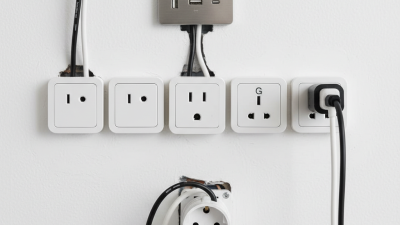
When considering the various types of wall sockets available, homeowners should understand the distinct features that cater to different needs. The standard electrical outlet, often referred to as the Type A or Type B socket, is commonly found in residential properties. These sockets typically accommodate everyday appliances and devices, providing a reliable power source for items like lamps, chargers, and kitchen gadgets. It's crucial for homeowners to ensure that these sockets are installed correctly to handle the electrical load of connected devices safely.
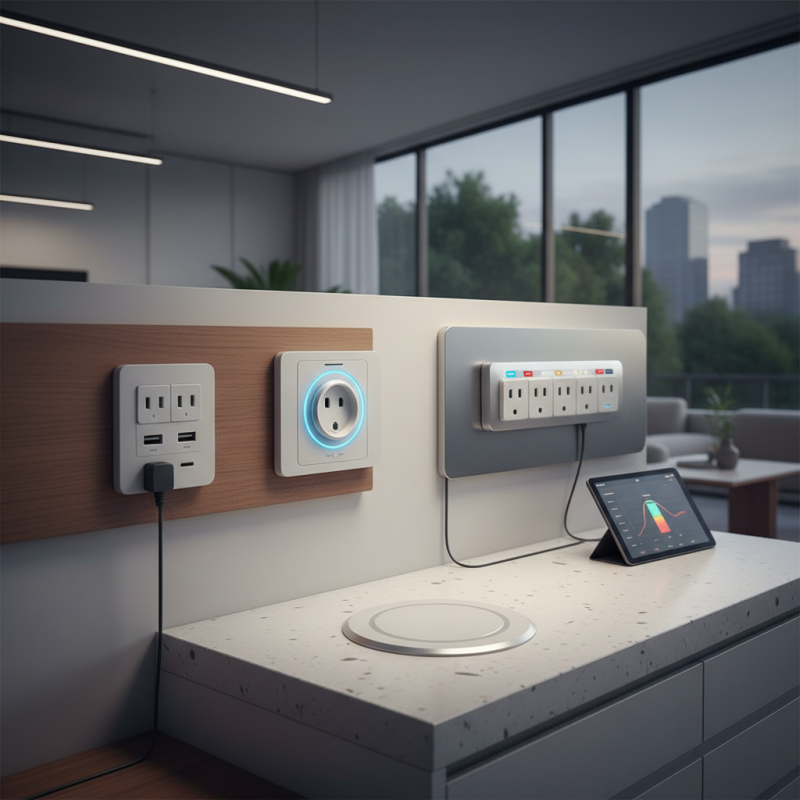
For those who desire more advanced functionality, specialized sockets are also available, such as USB wall sockets. These modern alternatives come equipped with built-in USB ports that eliminate the need for bulky adapters, making it easier to charge smartphones and tablets directly. Additionally, GFCI (Ground Fault Circuit Interrupter) sockets are essential in areas prone to moisture, such as bathrooms and kitchens, as they help prevent electrical shocks by interrupting the circuit if water comes into contact with the outlet. Understanding these variations will assist homeowners in selecting the right type of wall sockets to enhance both safety and convenience in their living spaces.
Key Factors to Consider When Selecting Wall Sockets for Your Needs
When selecting wall sockets for your home electrical needs, several key factors should guide your decision-making process. Firstly, you'll want to consider the power rating and compatibility of the sockets with your appliances. Most standard outlets in residential settings are rated for 15-20 amps, but if your home uses high-powered appliances or equipment, opting for higher-rated sockets may be necessary to prevent overheating and potential hazards. According to the National Electrical Code, it is essential to ensure that all wall sockets conform to local regulations for safety.
Secondly, the number of ports and the type of sockets can significantly impact your home’s functionality. With the increasing number of devices in our homes, from smartphones to smart home gadgets, having multi-socket outlets can enhance convenience. A report from the International Energy Agency noted that the average household has about 10-15 electronic devices that require charging or powering simultaneously. Therefore, considering dual or even triple outlets, as well as USB-integrated options, can help accommodate these needs more efficiently. Additionally, the socket's material and design should be taken into account for durability and aesthetic purposes, especially in high-traffic areas. Investing in quality sockets can lead to greater long-term savings and a safer environment at home.
Safety Standards and Regulations for Wall Socket Installation
When selecting wall sockets for residential electrical needs, adhering to safety standards and regulations is paramount. The National Electrical Code (NEC) in the United States outlines essential guidelines that ensure safe installations and minimize risks of electrical hazards. According to the NEC, all wall sockets should be installed at least 12 inches above the floor in finished locations and placed on a dedicated circuit to avoid overloads. Beyond the NEC, various international standards, such as the IEC 60884-1, provide critical benchmarks for performance and safety, emphasizing the importance of using certified devices.
Recent reports indicate that improper installation of wall sockets contributes significantly to residential electrical fires. The National Fire Protection Association (NFPA) estimates that electrical failures or malfunctions were involved in an estimated 47,700 home structure fires, resulting in $1.5 billion in direct property damage from 2014 to 2018. These statistics underscore the necessity of following safety regulations not only to protect property but also to ensure the safety of residents. Homeowners should prioritize wall sockets that meet or exceed local electrical codes and are tested for electrical shock and fire resistance, ensuring a safer living environment for all.
2025 How to Choose the Best Wall Sockets for Your Home Electrical Needs - Safety Standards and Regulations for Wall Socket Installation
| Socket Type |
Voltage Rating |
Current Rating |
Material Type |
Compliance Standards |
| Type A |
120V |
15A |
Plastic |
UL/CSA |
| Type B |
120V |
15A |
Plastic |
UL/CSA |
| Type C |
230V |
16A |
Thermoplastic |
IEC |
| Type D |
230V |
5A |
Phenolic |
IS 1293 |
| Type E/F |
230V |
16A |
Polycarbonate |
IEC |
Tips for Proper Installation and Maintenance of Wall Sockets
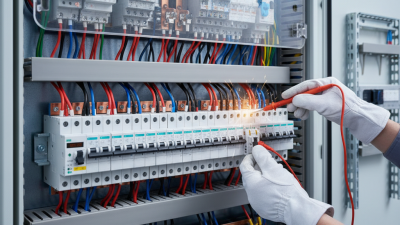
When it comes to installing wall sockets, proper installation is crucial for both functionality and safety. First, ensure you select the right type of socket for your needs, considering factors such as voltage requirements and the layout of your home. Before installation, turn off the power supply to avoid electrical shocks. Use a voltage tester to confirm that the power is off. When connecting the wires, match the live, neutral, and ground wires correctly to prevent short circuits. Be sure to secure all connections tightly and use the appropriate tools to avoid damage to the socket or the electrical wiring.
Maintenance of wall sockets is equally important to ensure longevity and safe usage. Regularly check for any signs of wear, such as discoloration or a loose fit. If a socket feels warm to the touch, it's essential to assess its condition immediately, as overheating could indicate a serious issue. Additionally, clean the plugs and sockets occasionally to prevent dust accumulation, which can lead to connectivity issues. If you notice any irregularities, such as sparks or a burning smell, it's advisable to consult a qualified electrician. By adhering to these installation and maintenance tips, you can ensure that your home’s electrical system remains efficient and safe.