What to Know About Buying Ups Inverter for Your Needs?
Choosing the right UPS inverter is crucial for your power management needs. With the variety of options on the market, it's easy to feel overwhelmed. An UPS inverter can protect your devices from unexpected power surges and outages. This is vital for both personal and professional setups.
Several factors are essential when considering an UPS inverter. Think about the power capacity you require. An inverter that cannot handle your load will lead to frustration and potential damage. Additionally, consider the runtime. A longer runtime allows for greater flexibility during outages.
It's also important to note that not all UPS inverters are created equal. Different brands offer varying reliability and performance levels. It’s wise to read reviews and seek expert opinions. These can guide your decision to ensure you get the best value. Remember, an investment in a quality UPS inverter can save you money and hassle in the long run. Reflecting on your specific needs will lead you to the right choice.
Understanding the Functionality of UPS Inverters
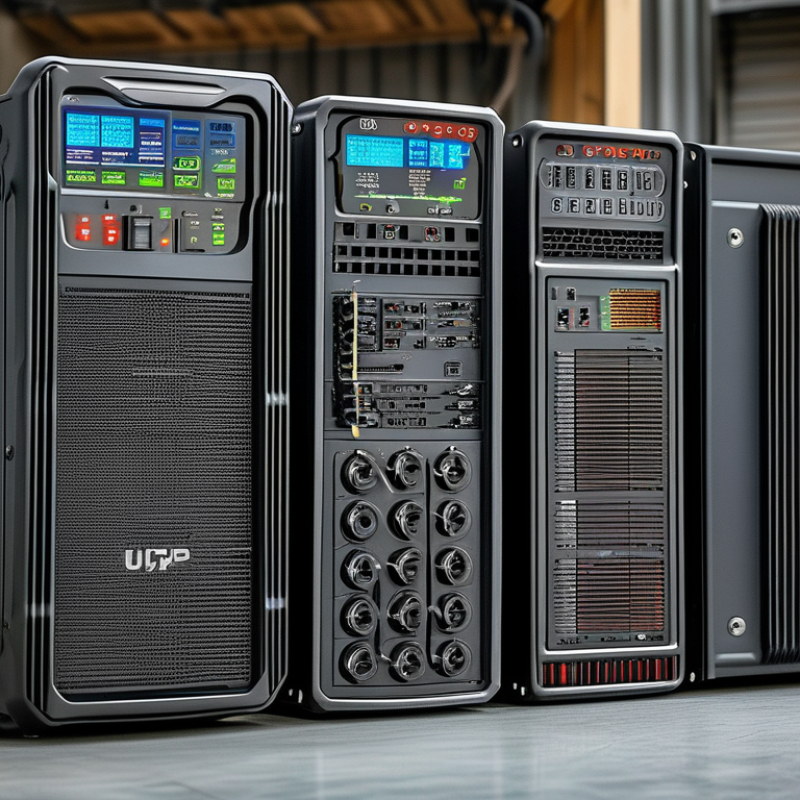
When considering a UPS inverter, understanding its functionality is crucial. A UPS inverter primarily acts as a power backup. It converts DC electricity from batteries to AC electricity for your devices. This is vital during power cuts or fluctuations. With a UPS, your essential devices stay operational. You avoid data loss and damage that can occur during unexpected outages.
UPS inverters come with different capacities. Choosing the right one depends on your power requirements. For instance, a home office setup might need a different capacity than a medical facility. This nuance often leads to confusion. Many overlook their actual power needs, which can result in ineffective protection. It’s essential to assess your devices and calculate their total wattage. This way, you ensure that your UPS inverter can handle the load.
Keep in mind that UPS systems have a limited backup time. They won’t power everything indefinitely. Smaller devices may operate for longer, while larger ones quickly drain the battery. Hence, knowing how long you’ll need backup power is important. Users often underestimate this and end up with inadequate solutions. Regular maintenance also factors into reliability. Over time, batteries can degrade. If neglected, you risk failure when you need it most. Understanding these details will help in making an informed decision.
Types of UPS Inverters and Their Applications
When considering a UPS inverter, understanding the types and their applications is crucial. There are primarily three types: offline, line-interactive, and online UPS inverters. Each serves unique roles in different environments.
Offline UPS inverters are ideal for home use. They provide basic battery backup to protect devices from power surges and short outages. They are cost-effective but may have limitations with sensitivity and delay during power transitions.
Line-interactive inverters offer more features. These are suited for small to medium-sized businesses. They can regulate voltage fluctuations, which is essential for sensitive equipment. The battery backup is also reliable, making them a preferred option for computer servers or networking devices. However, they may not support extensive equipment during longer outages, which requires considering your power needs carefully.
Online UPS inverters provide the highest level of protection. They convert incoming power into DC and then back into AC, ensuring a clean power supply for critical systems. These are best for data centers or medical facilities. However, they come with a higher cost and complexity. Some users may find them overkill for regular usage. Assessing your specific requirements is necessary to select the right type.
Key Features to Consider When Buying a UPS Inverter
When purchasing a UPS inverter, it's crucial to focus on its key features. One important aspect is the inverter's capacity, measured in VA (Volt-Amps). Research shows that a UPS inverter should typically have a capacity that exceeds your equipment's total power requirement by 20-30%. This ensures that your devices operate efficiently during outages.
Battery duration is another essential factor. Look for inverters with a longer backup time, often ranging between 30 minutes to several hours. Reports indicate that average household usage during outages lasts around 40 minutes. Choosing a model that can support efficient charging will also ensure that the battery remains reliable over time.
Tips: Always consider the type of battery. Lithium-ion batteries, while more expensive, often have a longer lifespan and faster charging time compared to lead-acid alternatives.
Noise levels can impact your environment. Many UPS inverters run silently, but some models may emit a humming sound. Research shows that noise levels can vary significantly across different units. It's advisable to read reviews and gather feedback from users to ascertain performance in real-world conditions.
Tip: Check the warranty and service support before purchase. A reputable warranty can be a determining factor in the reliability of your investment.
Sizing Your UPS Inverter for Optimal Performance
When considering a UPS inverter, sizing is critical for optimal performance. A correctly sized UPS ensures that your equipment operates without interruptions. According to industry studies, around 30% of businesses suffer losses due to inadequate power backup. The common mistake is to underestimate power needs. Accurately calculating your total wattage is essential.
To determine the right size, list the devices that need support during an outage. Add their wattage requirements, considering a 20% buffer for startup power. This buffer helps accommodate peak demands. A report from the Power Quality Assurance suggests that many users fail to include surge power, leading to unexpected failures.
Tip: Always opt for a UPS inverter with a slightly higher capacity than you estimate. This extra margin can save you from future headaches. Monitor your usage periodically. Power needs can change over time. Keeping your system updated with your current requirements is crucial for maintaining reliability.
Remember, sizing isn’t just numbers; it affects performance. Investing time in this phase prevents costly mistakes. Users often overlook efficiency ratings, which play a significant role in the long-term cost. Each decision impacts your operational continuity. Make it count.
UPS Inverter Sizing for Optimal Performance
The following chart illustrates the optimal sizing of UPS inverters based on load requirements measured in Watts (W) across various applications. Proper sizing ensures reliability and efficiency in providing power backup.
Maintenance Tips for Ensuring Longevity of UPS Inverters
Maintaining a UPS inverter is crucial for its longevity. Regular checks can prevent major issues. Start by inspecting the battery. Look for any signs of corrosion. Clean the terminals to ensure a proper connection. Battery health directly affects performance. It’s essential to replace batteries every 3 to 5 years, depending on usage.
Cooling is another vital aspect. Ensure that your inverter has ample ventilation. Overheating can lead to reduced lifespan. Dust can accumulate over time. Regularly clean the interior and exterior to promote airflow.
Environmental factors play a role as well. Store the inverter in a temperature-controlled setting.
Operating the UPS within specified limits is important. Overloading the unit can cause premature failure. Using it in environments with excessive humidity can also damage components. Monitoring performance through regular diagnostic checks can identify potential problems. Every small step taken now can save you from larger, costly repairs in the future.