2026 Best Smart Plugs for Home Automation and Energy Savings?
Smart Plugs have become essential gadgets for modern homes. They enable a seamless integration of technology with everyday life. With the rise of home automation, these devices offer incredible convenience and control over our energy consumption.
In 2026, the market for smart plugs is more competitive than ever. From simple on-off functions to advanced features like energy monitoring, there's a smart plug for everyone. However, choosing the right one can be overwhelming. Not all products deliver as promised. Some may lack reliability or efficiency.
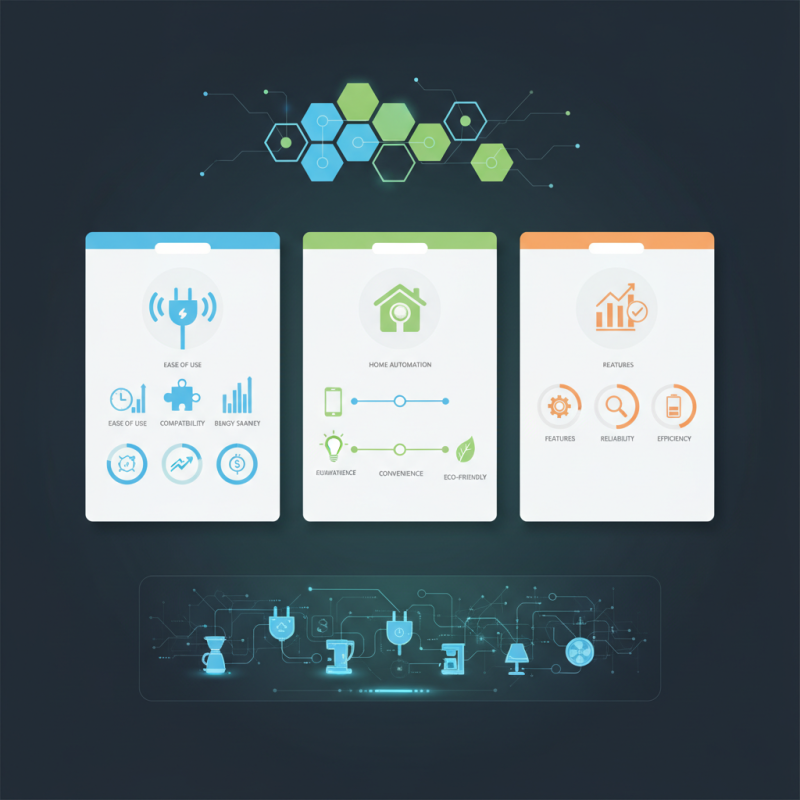
As we explore the best smart plugs for home automation and energy savings, it’s crucial to identify what fits your needs. Consider ease of use, compatibility with other devices, and energy monitoring capabilities. Reflecting on your choices will guide you in making the best decision for your home.
Overview of Smart Plugs and Their Benefits for Home Automation
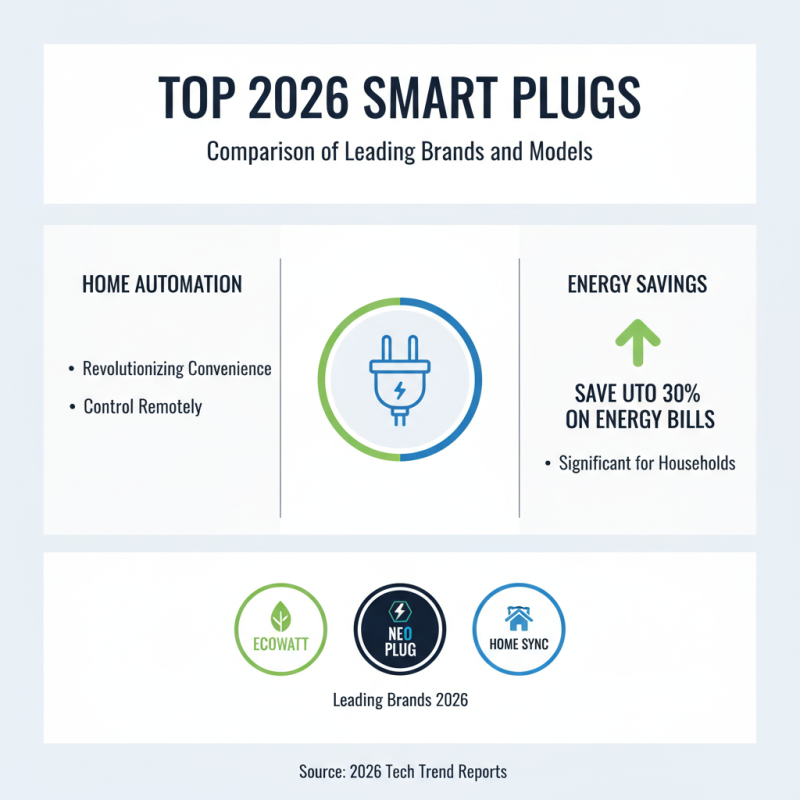
Smart plugs have revolutionized home automation. They allow users to control devices remotely through smartphones or virtual assistants. According to a recent report from MarketsandMarkets, the smart plug market is expected to reach $10.7 billion by 2026, driven by increasing demand for energy efficiency.
These devices are not just convenient; they also promote energy savings. By scheduling when appliances turn on and off, homeowners can reduce energy waste. For instance, turning off idle devices can cut energy bills by up to 15% annually. However, not all plugs offer the same features. Some may lack energy monitoring or integration capabilities. This inconsistency can lead to confusion for users trying to achieve optimal efficiency.
Smart plugs also enhance home safety. They allow remote monitoring of appliance status, minimizing the risk of forgetting to unplug devices. Yet, security concerns arise with IoT devices. Data breaches can compromise personal information. Homeowners should be diligent in using secure networks and requiring regular updates for their devices. This commitment to security is crucial for a truly automated and safe home.
2026 Best Smart Plugs for Home Automation and Energy Savings
Key Features to Look for in Smart Plugs for Energy Savings
When selecting smart plugs for energy savings, several key features matter significantly.
Energy monitoring is crucial. It helps users track energy consumption in real-time.
This allows for better management of electric use. Prudent users can adjust their habits based on this data.
Scheduling capabilities are another essential feature. Smart plugs should enable users to set timers for devices.
For example, you can program lights to turn off during the day. This simple action can lead to noticeable energy savings.
Additionally, compatibility with various voice assistants enhances usability. User-friendly devices can be controlled with just a voice command.
Another important aspect is build quality. Not all smart plugs are designed to last.
Choose those with solid construction to prevent overheating and potential hazards. A reliable warranty is also vital.
While some plugs may offer great features, their longevity should not be overlooked.
Thoughtful choices today can lead to better energy outcomes tomorrow.
How to Integrate Smart Plugs with Existing Home Automation Systems
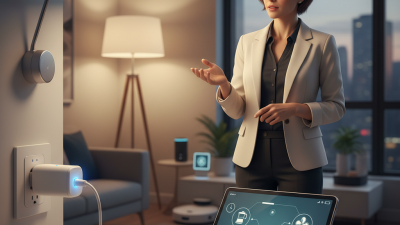
Integrating smart plugs into your existing home automation system can enhance convenience and energy efficiency. These devices allow you to manage various appliances remotely. Start by ensuring compatibility with your current setup. Many smart plugs work with common protocols like Wi-Fi and Zigbee.
Research your home network's specifications before purchasing any device.
Once you have the smart plugs, the setup process is typically straightforward. Most devices require an app for configuration. Connect the smart plug to your Wi-Fi and follow the app instructions. After linking, group your devices for better control. For example, connect all lighting to a single group for simultaneous management.
However, the integration journey may not be perfect. Connectivity issues can arise unexpectedly. You may experience delays in response or difficulty in recognizing the devices in the app. Regular updates or resets might be necessary. Reflecting on these challenges can improve your overall experience and ensure a smoother automation system.
Tips for Maximizing Energy Efficiency with Smart Plug Usage
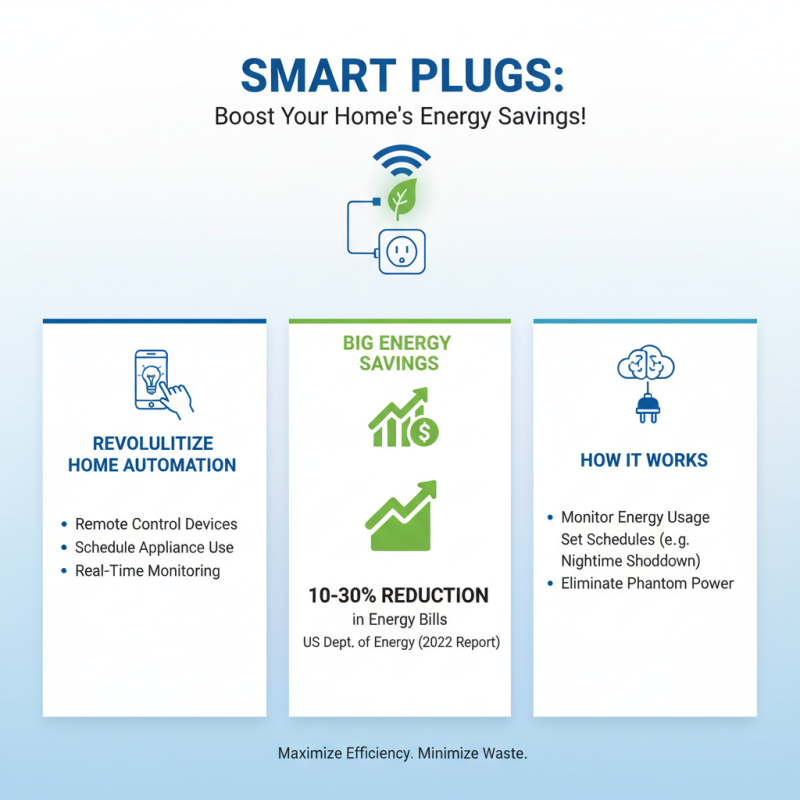
Smart plugs are revolutionizing home automation and energy savings. By offering remote control over devices, they can significantly reduce energy consumption. According to a 2022 report by the U.S. Department of Energy, households using smart plugs have seen a 10-30% reduction in their energy bills. This is primarily because these devices allow users to monitor energy usage and schedule the operation of appliances based on real-time needs.
To maximize energy efficiency, consider integrating smart plugs into your daily routine. Set timers to power down devices that aren't in use. For example, programming your coffee maker to operate only during morning hours can prevent unnecessary energy drain. It’s worth noting that many users forget to unplug chargers or idle devices. Smart plugs can help by shutting off power remotely.
Moreover, regular monitoring is essential. Some smart plugs provide detailed usage reports. Review these reports to identify energy-hungry devices. It's not uncommon for households to overlook high-consumption appliances. Taking the time to assess this data can lead to more informed decisions about energy use. Ultimately, the aim should be a mindful approach to resource management. Engaging with technology can push us toward smarter energy habits, but consistent effort and assessment are key.