Best 10 Dimmer Switches for Every Home Improvement Project?
In recent years, the popularity of dimmer switches has surged in home improvement projects. A report from the American Lighting Association indicates that nearly 35% of homeowners are opting for dimmer switches to enhance ambiance and control lighting. Dimmer switches not only allow for versatile lighting setups but also contribute to energy efficiency. Studies show that reducing light intensity can lead to energy savings of up to 20%.
Choosing the right dimmer switch is crucial for achieving the desired effect. There are numerous options available, each with unique features. However, not every dimmer switch is suitable for all lighting types. For instance, LED lights require specific dimmers to function properly. This mismatch can lead to flickering or a short lifespan for bulbs.
There's also the aspect of installation. While many homeowners might attempt a DIY approach, it's essential to consider professional advice. An improper installation can lead to safety hazards. Thus, understanding these nuances is vital. The best dimmer switches provide flexibility while ensuring safety and efficiency. Always consult reliable sources for guidance when selecting the right dimmer switch for your home.

Top Features to Look for in Dimmer Switches
When choosing dimmer switches, it's essential to focus on features that enhance functionality. A critical aspect is compatibility. Not all dimmer switches work with every bulb type. For example, LED bulbs often require specific dimmers to avoid flickering. According to a report by the Electrical Safety Foundation International, improper compatibility can lead to increased energy waste and can even pose safety risks.
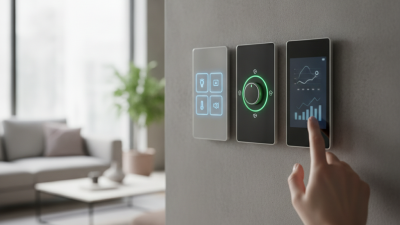
Another important feature is the control type. Some dimmer switches offer simple slide controls, while others provide smart features, enabling remote operation via apps. Data from the American Lighting Association shows that smart dimmers have gained popularity, with 30% of homeowners adopting them for convenience. Users appreciate the ability to create moods or schedules, showing how innovation in dimming technology influences home improvement decisions.
Finally, consider installation ease. Many modern dimmers cater to DIY enthusiasts. Still, proper installation is essential to ensure safety. A survey conducted by HomeAdvisor reveals that 40% of homeowners encounter challenges during DIY electrical projects. Mistakes can lead to costly repairs or even hazards. Prioritizing easy-to-install switches can mitigate these risks while promoting a successful home upgrade.
Types of Dimmer Switches for Different Lighting Needs
Dimmer switches are essential for enhancing the mood and functionality of any space. Various types cater to different lighting needs. The most common types are leading-edge, trailing-edge, and smart dimmers. Each type has distinct benefits and may pose unique challenges regarding installation and compatibility. For instance, leading-edge dimmers work well with incandescent lamps but might not support LED or CFL bulbs efficiently. This can lead to flickering or an incomplete dimming experience.
Research shows that residential areas can save up to 20% on energy bills with energy-efficient dimmers. Households using LED-compatible dimmers experience longer bulb life and reduced energy consumption. However, consumers sometimes face confusion when selecting the right type of dimmer. Many underestimate the importance of matching the dimmer to their specific bulbs. This can lead to issues like buzzing or inconsistent brightness levels. Despite the benefits, users often need to pay closer attention to their existing light fixtures when making a choice.
Smart dimmers represent a growing trend, allowing control via apps or voice commands. They offer versatility but may require Wi-Fi strength and compatibility checks before purchase. Misunderstandings here can lead homeowners to dissatisfaction or performance issues. It is crucial to consider the layout and intended mood of the room before committing. Making informed decisions can maximize both efficiency and enjoyment in lighting design.
Step-by-Step Guide to Installing a Dimmer Switch
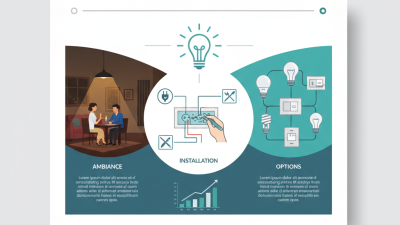
Installing a dimmer switch can elevate your home’s ambiance. It can help adjust the light according to your needs. Follow these steps for a successful installation.
Begin by turning off the power. Locate the circuit breaker and cut off the power supply. Use a voltage tester to ensure the wires are not live. This precaution is crucial for safety. Then, remove the existing switch. Take note of how the wires are connected to avoid confusion later.
Next, connect the new dimmer switch. Match the wires from the switch to your house wiring. Typically, there will be a black (hot), a white (neutral), and a green or bare (ground) wire. Use wire nuts to secure connections. Check that no copper is exposed. This ensures safety and a tidy installation.
Tips: Consider the recommended wattage for your dimmer switch. Exceeding it may cause overheating. If the dimmer flickers, revisit the installation. Another tip is to label your wires. This simple act can prevent potential mistakes.
After securing the dimmer, attach the switch to the wall gang box. Use screws to tighten it. Restore power at the breaker and test the switch. If the lights dim properly, you’ve succeeded. However, if issues arise, recheck your wiring. It’s okay to seek help if needed. The goal is to create an inviting space, so don’t rush your project.
How to Choose the Best Dimmer Switch for Your Space
When choosing the best dimmer switch for your home, consider various factors. The type of lighting plays a crucial role. Incandescent, LED, and CFL bulbs all have different compatibility. According to recent industry reports, around 30% of households are transitioning to LED technology. This trend increases the demand for dimmer switches that can support these energy-efficient options.
Wattage capacity is another critical factor. Homes often have varied light requirements in different spaces. For instance, living areas may need higher wattage, while bedrooms might require soft, ambient lighting. It's recommended to select a dimmer switch with at least 20% more capacity than the total wattage of lights being controlled.
User-friendly installation is often overlooked. Many seek quick DIY projects. However, improper installation can lead to flickering or even electrical hazards. So, understanding wiring configurations is vital. Industry statistics also show that about 45% of DIY enthusiasts face challenges during installation. This highlights the importance of reading user manuals and possibly consulting professionals for safety.
Tips for Maintaining and Troubleshooting Dimmer Switches
Maintaining dimmer switches is crucial for optimal performance and safety. Regular checks can prolong their lifespan and enhance functionality. Reports indicate that nearly 30% of homeowners experience issues with poorly maintained dimmer switches. Problems often stem from simple factors, such as dust accumulation or loose connections.
One tip for maintenance is to regularly clean the dimmer switch’s faceplate and surrounding area. Dust can hinder the device's functionality. Use a soft, dry cloth to wipe it down. Turn off the power before doing any cleaning. If you notice flickering lights, check the bulb compatibility. Incompatible bulbs can cause significant issues, including potential damage to the switch.
For troubleshooting, listen for any buzzing sounds when the switch operates. This often signposts issues with the wiring or load. If the dimmer switch feels hot to the touch, it could be a sign of overloading. Ensure the total wattage of connected bulbs does not exceed the switch's rating. Consider consulting a qualified electrician for persistent issues. Ignoring these signs may lead to unsafe conditions or further malfunctions.
Top 10 Dimmer Switch Features Ratings